Traditional Wet Shaving: Complete Guide & Techniques 2025
Traditional wet shaving (also known as classic shaving or DE shaving) is making a powerful comeback and for good reason. Every morning, millions of men and women worldwide are discovering that safety razor shaving delivers superior results, significant savings, and a moment of daily relaxation that transforms obligation into ritual. In the age of rush, traditional shaving is an act of self-care. Discover more in our guide
Quick Overview - What You'll Learn
- Routine Time: 15-20 minutes for a complete irritation-free shave (vs 5-7 minutes with multi-blade)
- Essential Equipment: Safety razor (€35-60), brush (€20-80), shaving soap (€15-30), after shave balm (€15-25)
- Annual Savings: €180-240 vs multi-blade cartridges (ROI in 4-6 months)
- Learning Time: 2-3 weeks for expert-level technique, 2-3 months for mastery
- Key Benefits: 85% fewer irritations, 90% plastic waste reduction, superior shave quality
Why Choose Traditional Shaving in 2025?
Single blade shaving isn't just nostalgia - it's scientifically superior and the numbers prove it. Multi-blade razors (3-5 blades) work with the "lift and cut" system: the first blade pulls the hair and subsequent blades cut it below skin level. This causes irritation, razor burn and ingrown hairs in up to 65% of users according to dermatological studies.
In contrast, a single blade safety razor cuts hair cleanly at skin level in one pass. Result? Fewer irritations (only 15% of users report problems), cleaner shave, and healthier skin. Plus, you have complete control over angle and pressure, customizing the shave to your skin's needs. A recent survey showed that 92% of those who switched to traditional shaving never returned to multi-blade razors. Learn more about post-shave skin care.
Top 5 Benefits of Traditional Shaving
- Economy: Save €225+ annually (€1,125 over 5 years!)
- Environment: 100% recyclable materials, zero plastic
- Quality: Cleaner, closer shave that lasts longer
- Skin: 85% fewer irritations and ingrown hairs
- Experience: Transform routine into relaxation moment
Comparison: Traditional vs Multi-Blade - The Real Picture
Let's see the detailed comparison with real numbers and data to understand why traditional shaving is the smart choice for 2025:
| Criteria | Traditional Shaving | Multi-Blade |
|---|---|---|
| Annual Cost | €10-20 (yes) (100 blades × €0.15) |
€200-260 (no) (4 cartridges/month × €5) |
| Initial Investment | €60-120 (razor + brush + soap) |
€15-30 (razor only) |
| Irritation | Minimal (15%) (yes) (1 pass = 1 cut) |
Common (65%) (no) (5 blades = 5 cuts) |
| Environment | 100% Recyclable (yes) (metal only) |
Plastic Waste (no) (4kg plastic/year) |
| Blade Life | 5-7 shaves (€0.02-0.03/shave) |
5-10 shaves (€0.50-1.00/shave) |
| Shave Quality | Excellent (yes) (with proper technique) |
Good to Average (depends on model) |
| Lifespan | Lifetime (yes) (razors last 50+ years) |
2-3 years (mechanism wears out) |
How we calculate savings:
Traditional: 100 blades/year × €0.15 = €15 average cost
Multi-blade: 48 cartridges/year × €5 = €240 average cost
Annual savings: €225! Over 5 years you save over €1,125! With that money you can buy premium grooming products for years.
The Best Safety Razors for Traditional Shaving
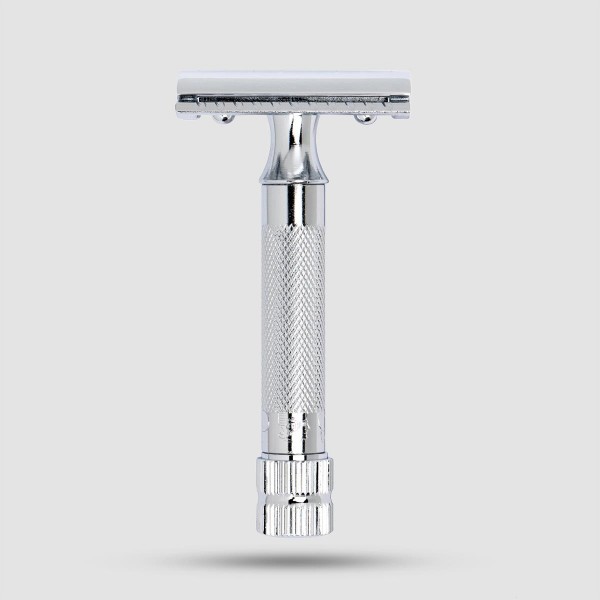
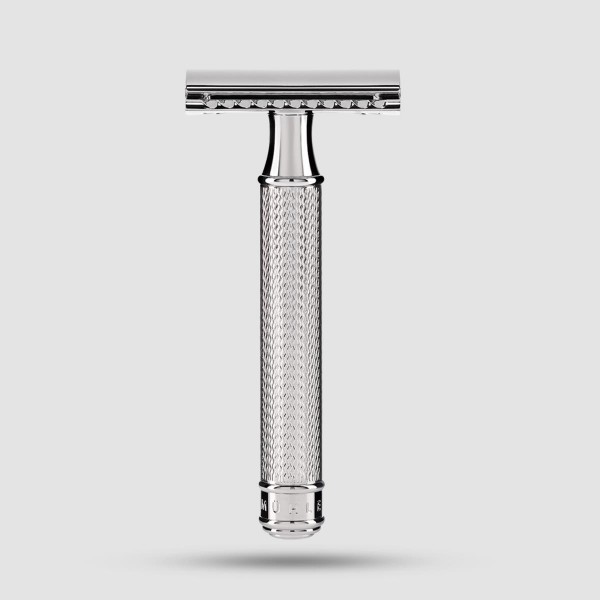
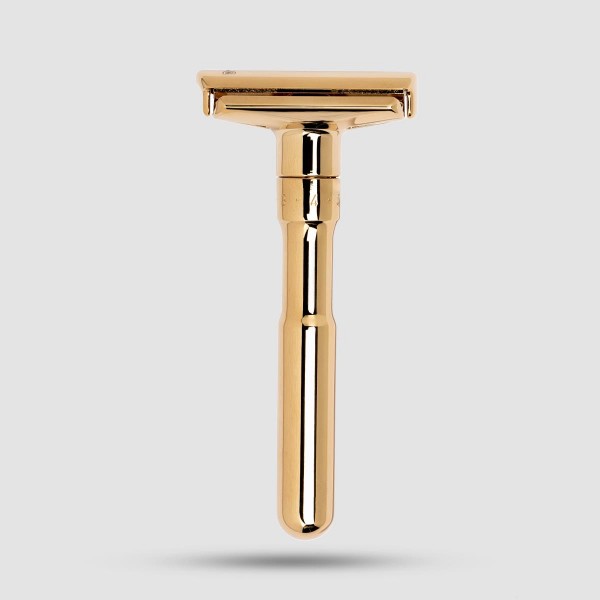
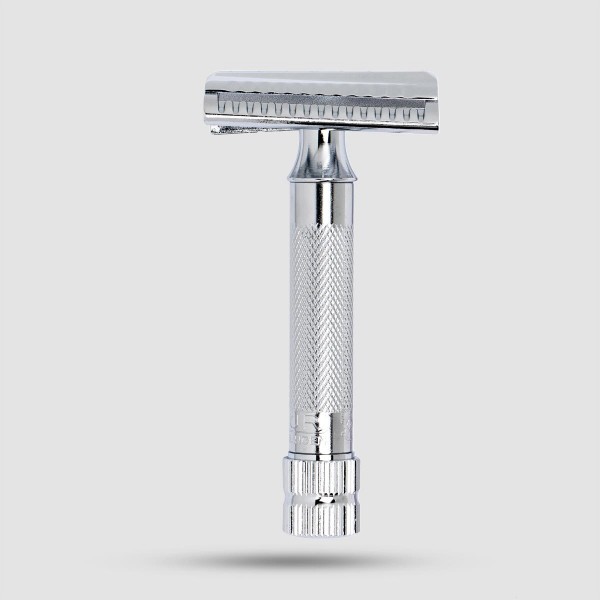
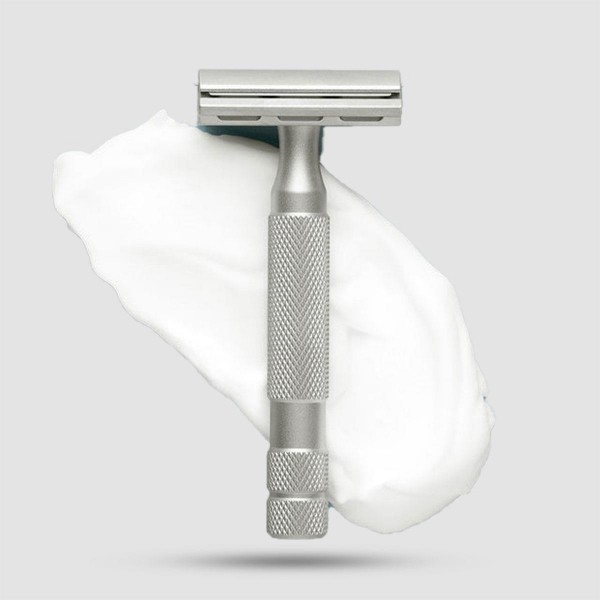
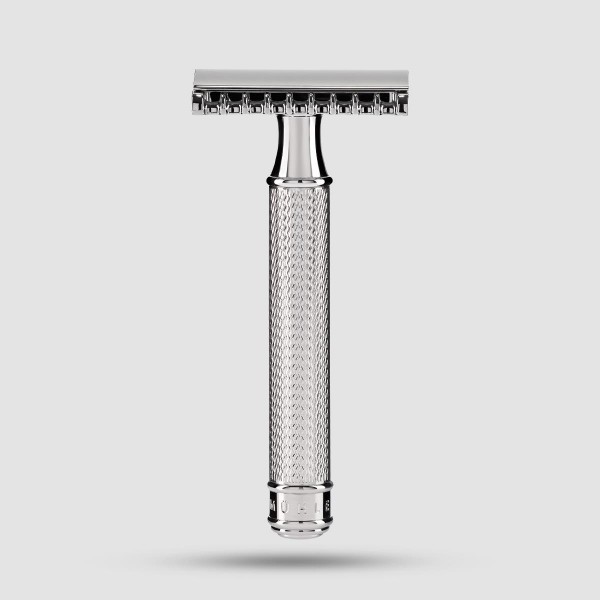
Choosing the right safety razor is crucial for the perfect shave. Why? Each razor has different aggressiveness (how exposed the blade is), weight (affects control and pressure), head geometry (determines cutting angle), and blade gap (the gap between blade and guard). The right razor for you depends on your skin type, hair density, experience level, and personal preferences.
After 20+ years of experience and thousands of sales, these are our top picks for every experience level:
Expert Selection Advice
For beginners (0-6 months): Start with Merkur 34C or Mühle R89 - they are mild (aggressiveness 3-4/10) and forgive technique errors. Their weight (70-80g) is ideal for learning.
For intermediate experience (6+ months): The Rockwell 6S or Merkur Futur with adjustable aggressiveness give you full control. Start at low setting and gradually increase.
For coarse hair: The Merkur 37C Slant cuts efficiently with less effort thanks to diagonal cutting. Ideal for dense beards.
For experts (2+ years): The Mühle R41 Open Comb is the ultimate razor for those who have perfected their technique. Aggressiveness 9/10!
Shaving Brushes: The Key to Perfect Lather
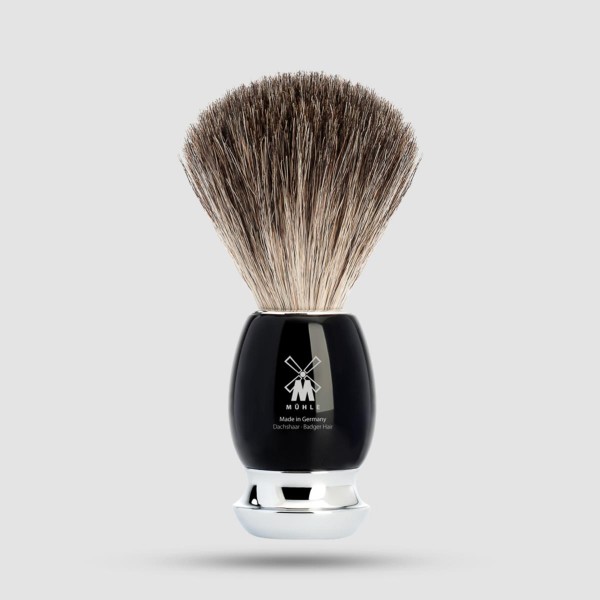
The shaving brush isn't just a tool - it's the secret weapon for flawless shaving and the heart of the traditional experience. How does it work? The brush does multiple jobs that no other tool can replace:
- Lifts the hair: The bristles penetrate between hairs, lift them vertically and prepare them for clean cutting
- Creates rich lather: Mixes air, water and soap for creamy texture that protects and lubricates
- Exfoliates skin: Removes dead cells with gentle massage, preparing the skin
- Deeply hydrates: Holds warm water that softens hair and skin for 3-4 minutes
- Improves circulation: Massage increases blood flow for healthier skin
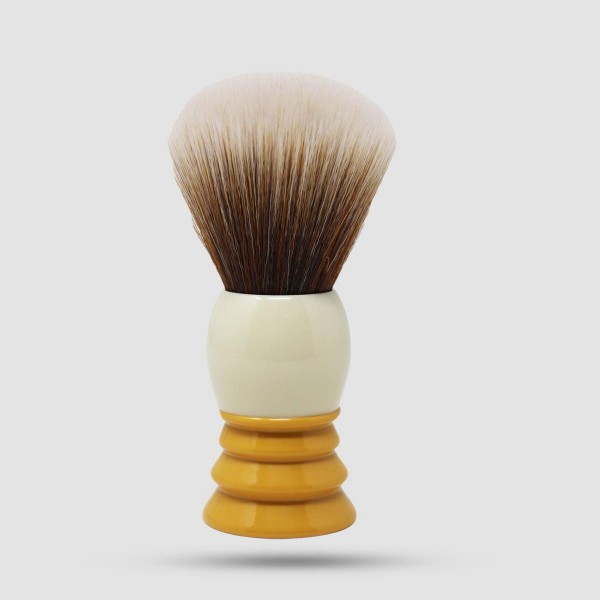
Choosing the right brush depends on skin type, budget, and personal preferences. Read our complete brush selection guide for detailed information.
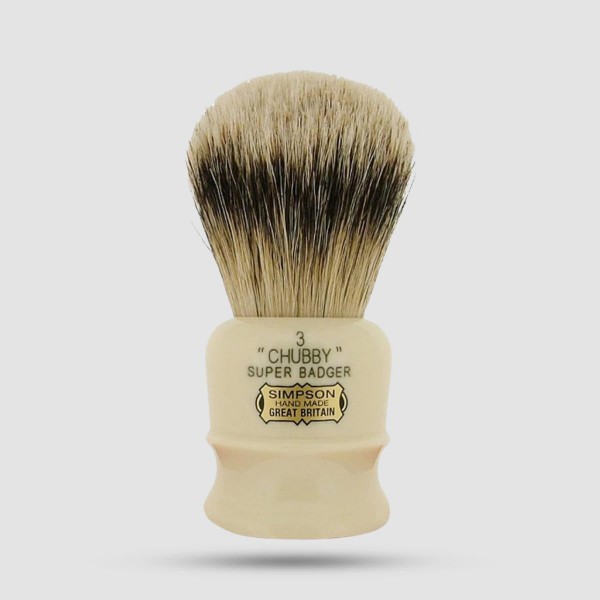
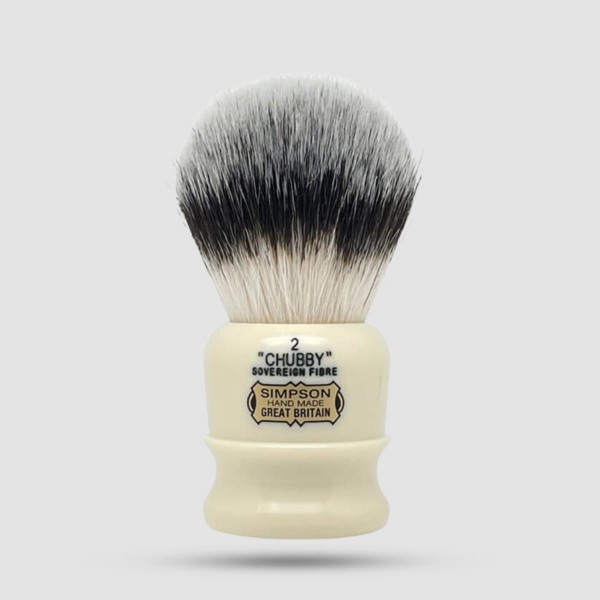
Simpson Chubby 3 Super Badger Top Luxury
The ultimate luxury brush from natural badger hair. Handmade.
View MoreGlobal Trend & Selection Tips
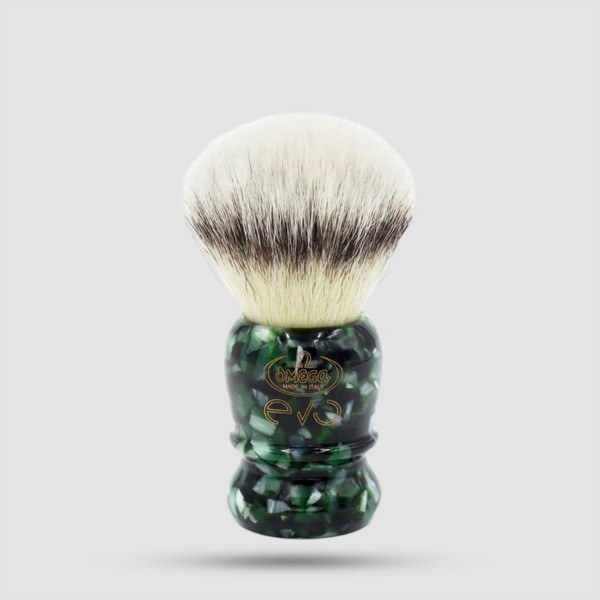
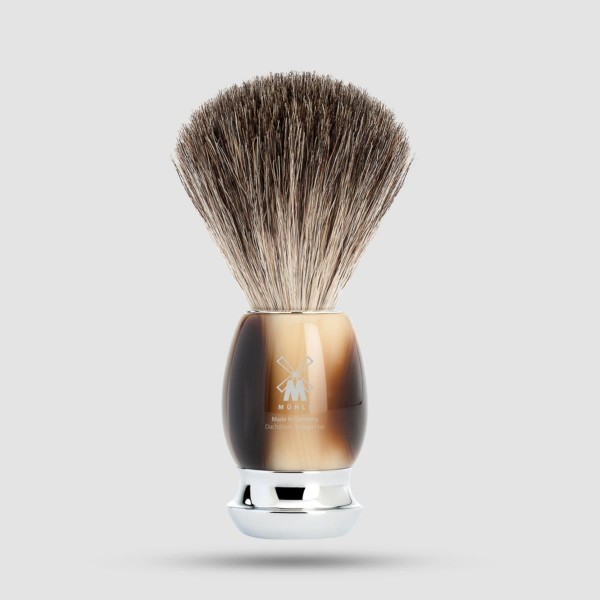
Simpson brushes are #1 worldwide in demand, while Mühle holds 2nd place for reliability. Omega EVO is the innovative synthetic everyone wants for value for money!
For beginners: Synthetic brushes (Omega EVO, Simpson Sovereign) - no break-in needed, dry quickly
For experienced: Natural Super/Silvertip Badger hair - softer, hold more water
Knot size: 22-24mm for face, 26-28mm for face+head
The Best Shaving Soaps and Creams
The right soap makes the difference between a simple shave and a luxurious experience that protects and nourishes your skin. Why is it so important? Each soap has different properties that directly affect the result:
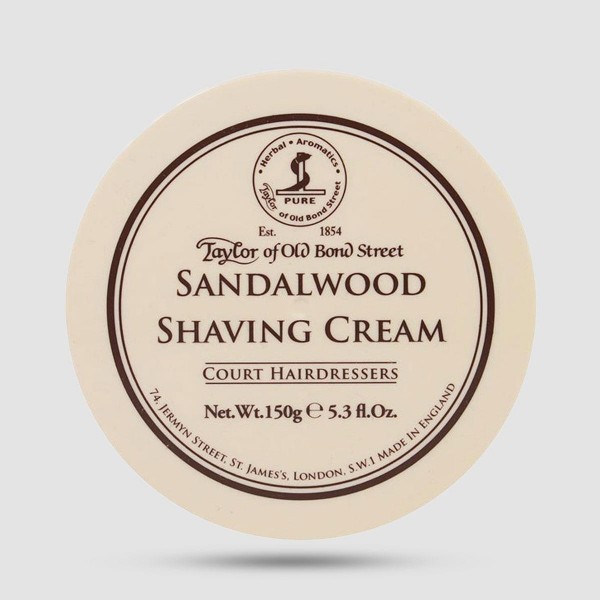
- Shaving creams (like Taylor of Old Bond Street): Easier to lather, ideal for beginners, more hydration
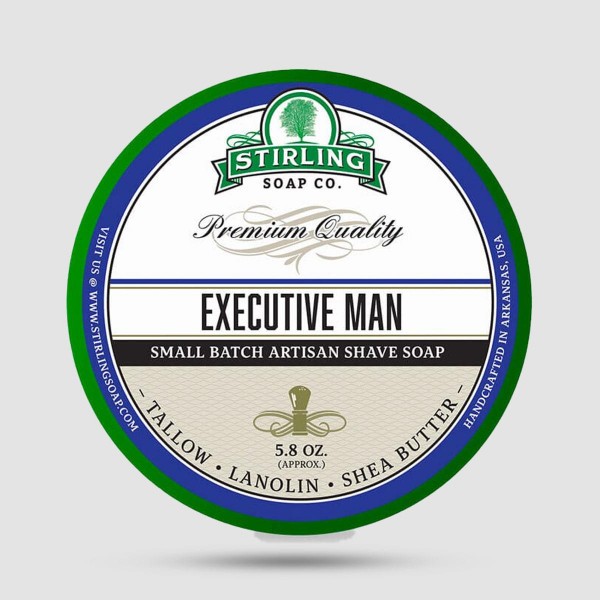
- Hard soaps (like Stirling): Last 3-4 times longer, denser lather, better glide
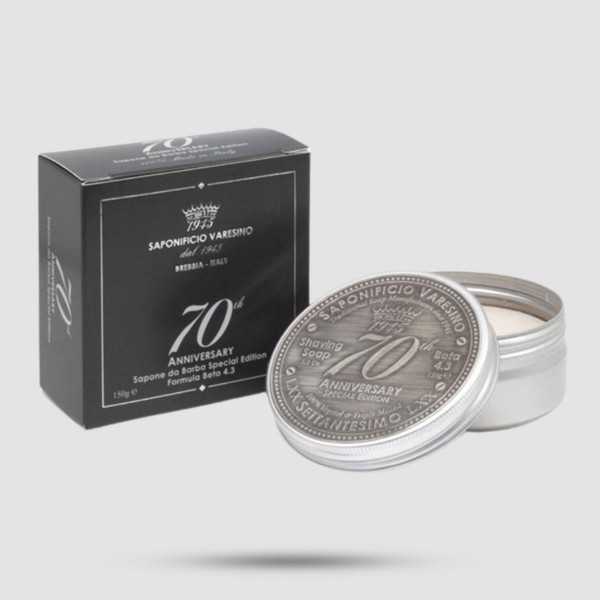
- Italian soaps (like Proraso, Saponificio Varesino): Glycerin for extra glide, often with menthol for freshness
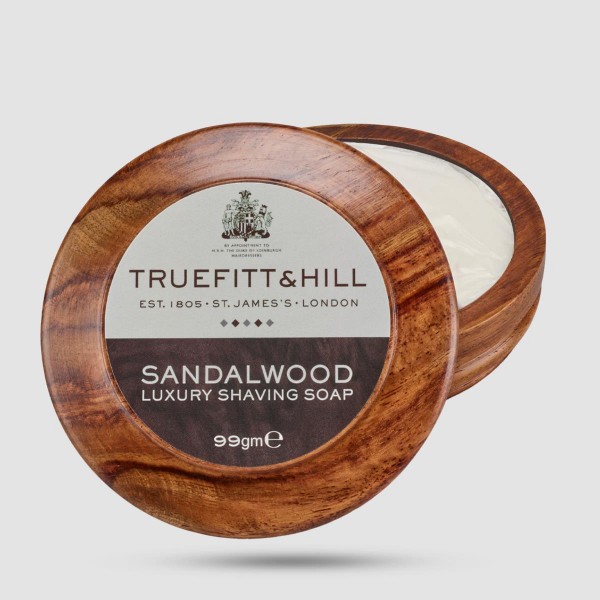
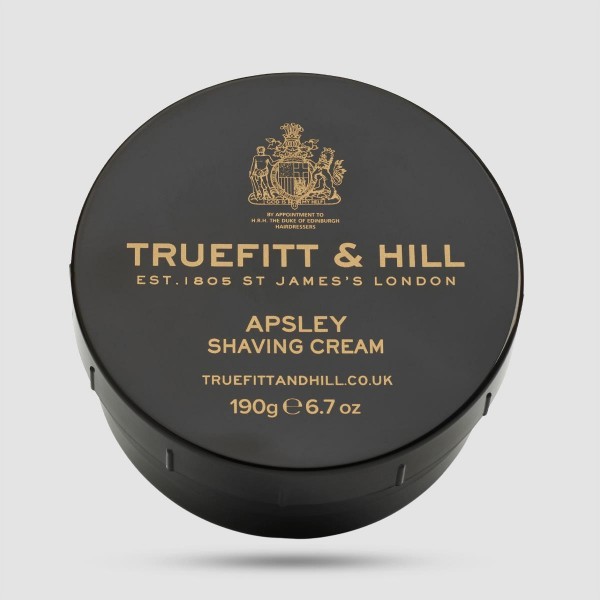
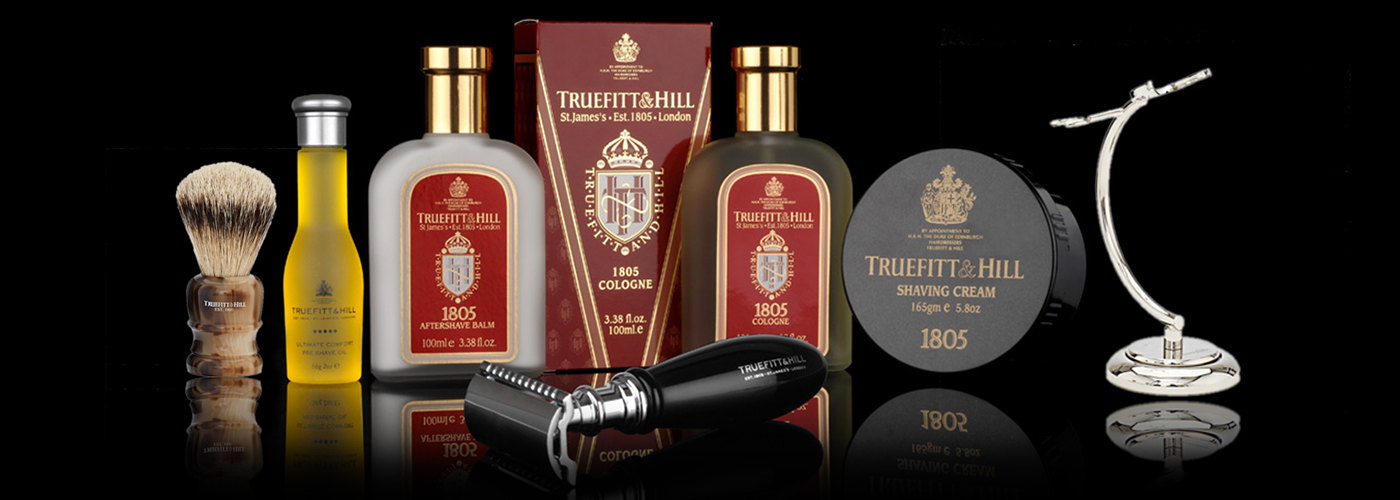
- British soaps (like Truefitt & Hill): Traditional formulas, classic scents, luxury feel
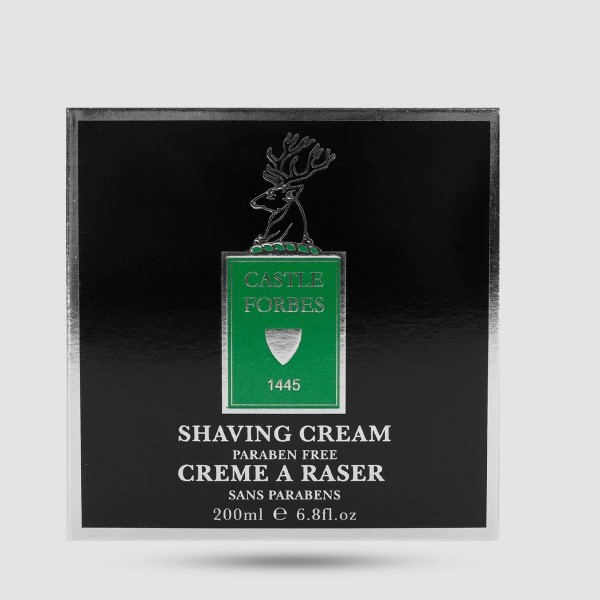
See our top picks from the best brands worldwide:
Pro Tip: Creating Perfect Lather - The Expert Technique
For creams: Only an almond-sized amount (1-2cm) is needed. More product doesn't mean better lather!
For hard soaps: Load the brush for 30-45 seconds with circular motions until you see creamy texture.
The secret? Gradual water addition! Start with little and add drops until lather becomes like Greek yogurt - not too thick, not too wet. Perfect lather has glossy appearance and forms "peaks" when lifted!
Traditional Shaving Technique: Expert-Level Step-by-Step Guide
Proper technique is the key to a perfect shave without irritation. After 20+ years of experience and thousands of shaves, this is the detailed guide that will turn you into an expert. Follow these steps patiently and in 2-3 weeks you'll be shaving like a professional:
1 Face Preparation (3-4 minutes)
Wash with hot water or apply a hot towel for 2-3 minutes. Hot water softens hair by 30% and opens pores for easier and closer shaving. The ideal temperature is 40-45°C (as hot as you can comfortably tolerate).
Pro Tip: Shave after showering - the steam has already done the work! If you don't have time, soak a towel in hot water, squeeze lightly and leave on your face for 2 minutes while preparing equipment. Learn more about proper face preparation.
2 Pre-Shave Application (1 minute)
Use
pre-shave oil for extra protection and glide. 4-5 drops are enough for the whole face. Spread with upward circular motions for 30 seconds.
Pro Tip: Pre-shave oil creates a protective film between blade and skin. Ideal for sensitive skin! For oily skin, use pre-shave gel instead of oil. For extra protection, try the combination: first oil, then cream!
3 Lather Creation (2-3 minutes)
Wet the brush with hot water for 30 seconds and shake excess moisture (2-3 shakes) so it's wet but not dripping. Load with soap for 30-45 seconds with circular pressing motions. Then create lather directly on face or in a bowl.
Pro Tip: Lather should have yogurt-like texture - not too wet (will run), not too dry (won't protect). If too thick, dip brush tips in water. If "breaking", add soap. The brush should "paint" on face with even, circular motions!
4 First Pass - With the Grain/WTG (4-5 minutes)
Shave with the grain (WTG - with the grain). Hold razor at 30-45 degree angle (start with head perpendicular to skin and lower until it "catches"). Use short, controlled strokes of 3-5 cm. ZERO PRESSURE - let the razor's weight (70-80g) do all the work.
Pro Tip: Learn your hair growth direction - it differs in each area! On neck usually upward, on cheeks downward, on chin outward. To find it, run your hand on face - the direction that feels smooth is "with the grain". Rinse blade every 2-3 strokes in hot water.
5 Second Pass - Across/XTG (3-4 minutes)
Rinse with lukewarm water and reapply lather (30 seconds is enough). Now shave across the grain (XTG - across the grain) for closer shave. Left to right on cheeks, top to bottom on neck.
Pro Tip: If you're a beginner, stop here! Two passes are enough for clean shave lasting 8-10 hours. The third pass (against the grain/ATG) is for advanced users and can cause irritation. Do it only on special occasions!
6 Post-Shave Care (2-3 minutes)
Rinse with cold water for 30 seconds to close pores and stop any bleeding from micro-cuts. Dry gently with towel (pat dry - don't rub!). Apply aftershave balm with upward motions for hydration and protection.
Pro Tip: Avoid alcohol-based after shave if you have sensitive skin - it dries and irritates. Balm with aloe and vitamin E is ideal. For extra freshness in summer, try after shave with menthol. Wait 2-3 minutes before applying moisturizer!
Warning: Shaving Frequency
With traditional shaving, your skin needs time to regenerate. Ideal frequency:
- Normal skin: Every 2 days
- Sensitive skin: Every 3 days
- Coarse hair: Daily IF using only 1 pass
Daily shaving with 2-3 passes can cause chronic irritation!
Common Mistakes to Avoid (and How to Fix Them)
Top 10 Beginner Mistakes (and Their Solutions)
- Too much pressure (75% of beginners): The razor should glide, not be pressed
Solution: Hold razor at handle end with 2 fingers for less pressure - Wrong angle (65% of beginners): Too small = doesn't cut, too large = irritation
Solution: Start with head perpendicular and lower until you hear cutting sound - Dry/poor lather (60% of beginners): Lather dries and loses protection
Solution: Keep water bowl nearby and wet brush if needed - Rushing (55% of beginners): Fast, abrupt movements = cuts
Solution: Shave on weekends when you have 20 minutes - Dull blade (45% of beginners): Keep blade too many days
Solution: Change every 5-7 shaves - costs only €0.15! - Poor preparation (40% of beginners): Shave with cold skin
Solution: ALWAYS hot water or shower before. Don't skip pre-shave! - Too many passes (35% of beginners): 3-4 passes on first day
Solution: Maximum 2 passes for first 2 months - Wrong direction (30% of beginners): Shave against grain from start
Solution: ALWAYS first pass with grain, then across - Poor equipment maintenance (25% of beginners): Leave razor wet
Solution: Dry well and store in dry place - Wrong after shave (20% of beginners): Use alcohol on irritated skin
Solution: Alcohol-free balm for sensitive skin
The Golden Expert Advice
"The secret to perfect shaving isn't the expensive razor or exotic soap. It's patience and consistency. Give yourself 3 weeks to learn proper technique. After that, you'll never go back to plastic blades!" - The Two Barbers Team
The Best Blades for Your Razor - Complete Guide
Blade selection is the most personal decision in traditional shaving. Each skin reacts differently, and the "best" blade for you depends on skin type, hair density, the razor you use, and your technique. That's why we recommend trying various brands with a sample pack from our blade collection. Also see all razor blades we offer:
| Brand & Origin | Aggressiveness | Ideal for | Characteristics |
|---|---|---|---|
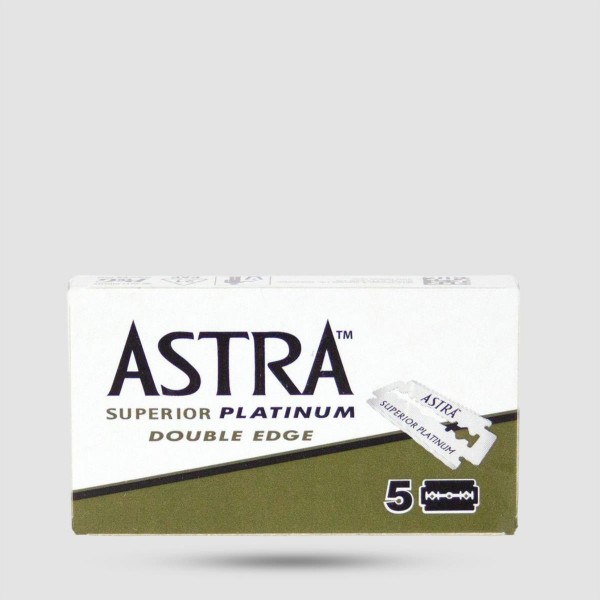
| Astra Superior Platinum Russia (P&G) |
Medium (5/10) | Beginners, all skin types | Excellent balance of sharpness/mildness |
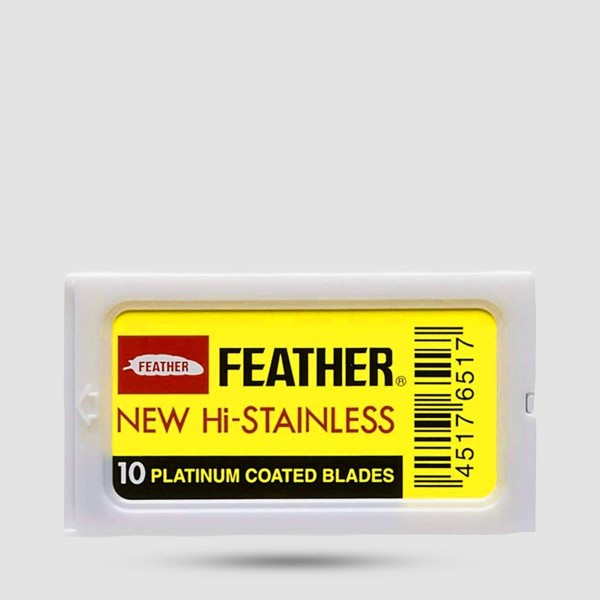
| Feather Hi-Stainless Japan |
Very high (9/10) | Experienced, coarse hair | Sharpest on market - caution! |
| Wilkinson Sword Germany |
Medium (5/10) | Daily use | Consistent performance, mild operation |
| Kai Stainless Japan |
Medium-High (7/10) | Advanced users | Japanese precision, excellent durability |
| Perma-Sharp Super Russia (Gillette) |
Medium (6/10) | All types | Gillette quality, value price |
| Derby Extra Turkey |
Low (3/10) | Very sensitive skin | Very mild, ideal for learning |
| Voskhod Teflon Russia |
Medium (4/10) | Beginners | Teflon coating for smoothness |
Testing & Selection Advice
Step 1: Buy a sample pack with 5-7 different blades
Step 2: Try each blade for at least 3 shaves before deciding
Step 3: Keep notes for each blade (sharpness, irritation, durability)
Step 4: Try your favorite in different razors
Secret: The same blade can work differently in different razors! Feather in mild razor (Merkur 34C) can be perfect, while in aggressive (R41) it can be too much.
Frequently Asked Questions about Traditional Shaving (FAQ)
How much does traditional shaving cost long-term?
Initial investment (€60-120) pays off in 4-6 months. Annual blade cost only €10-20 versus €200+ for multi-blade cartridges. Over 5 years you save €800-1,000! Plus, the razor and brush last a lifetime with proper care.
Which safety razor is best for beginners?
The Merkur 34C and Mühle R89 are ideal for beginners. They have closed combs that forgive technique errors and mild operation (aggressiveness 3-4/10). Both are worldwide bestsellers with thousands of positive reviews. Their weight (70-80g) helps control without pressure.
How long does a safety razor blade last?
On average 5-7 shaves, but depends on: hair coarseness (coarse hair = 3-5 shaves), shaving frequency, blade quality, technique (proper angle = longer life). Cost per shave: €0.02-0.07! Change when it feels like it's "pulling" rather than cutting.
Can women use safety razors?
Absolutely! Millions of women worldwide prefer traditional shaving for legs and underarms. It offers better results (smoother shave), fewer irritations (single blade = less friction), and huge savings (90% cheaper). See our special guide for women.
Which after shave balm do you recommend for sensitive skin?
Truefitt & Hill Ultimate Comfort After Shave Balm is the top choice for sensitive skin - alcohol-free with aloe and jojoba oil. For a more economical option, Nivea Sensitive Post Shave Balm is excellent. Avoid anything with alcohol or menthol if you have sensitivities.
Can I travel by air with a safety razor?
The razor YES (without blade inside), blades NO in carry-on - only in checked luggage. Tip: Take the razor in carry-on and buy blades at destination (available everywhere and cost very little). Alternatively, mail blades to your hotel.
What do I do if I cut myself while shaving?
For small cuts: Rinse with cold water and press with clean towel for 30". Use styptic pencil or alum block. For larger cuts: Pressure with gauze for 2-3 minutes. Cuts decrease dramatically after first 2 weeks as your technique improves.
How long does it take to learn the technique?
Most people need: 1-2 weeks for basic technique without cuts, 3-4 weeks for comfortable shaving in 15 minutes, 2-3 months for expert-level technique. Tip: Start on weekends when you have time. After 20 shaves you'll be very good!
How to Start Traditional Shaving - The Complete Guide
The Beginner's Roadmap - 4 Steps to Success
Step 1: Choose Your Equipment
- Razor: Start with Merkur 34C or Mühle R89
- Brush: Omega EVO Special Veteran for value or Simpson Sovereign for luxury
- Soap: Taylor of Old Bond Street - easy for beginners
- After Shave: Truefitt & Hill Balm - alcohol-free
- Blades: Sample pack with 5-7 different brands
- Pre-shave (optional): Oil or cream for extra protection
Step 2: Learn Proper Technique (2-3 weeks)
- • Watch 2-3 YouTube tutorials (we recommend GeoFatBoy, Mantic59)
- • Start with one pass only for first week
- • Practice on weekends when you have time
- • Don't rush - patience is key!
- • Keep a journal with notes for each shave
Step 3: Develop Your Routine (1-2 months)
- • Find ideal blade from sample pack
- • Perfect your lathering technique
- • Learn hair growth direction in each area
- • Add second pass when you feel ready
- • Experiment with different pre/after shaves
Step 4: Enjoy the Journey (Lifetime)
Traditional shaving isn't just routine - it's a self-care ritual. Enjoy the process, experiment with new products, share your experience with others. Welcome to the community!
Resources for Further Learning
- YouTube Channels: GeoFatBoy, Mantic59, Nick Shaves
- Forums: Badger & Blade, The Shave Den
- Subreddits: r/wicked_edge, r/Wetshaving
- Blogs: Sharpologist, The Shaving Room
Actively participate in the community - experienced shavers love helping newcomers!
Start Your Traditional Shaving Journey Today!
Discover our complete collection of 500+ traditional shaving products from the world's top brands.