Πομάδα vs Πηλός 2026: Ποια η Διαφορά και Ποιο να Επιλέξετε;
Πομάδα ή πηλός -- η πιο συχνή ερώτηση στον κόσμο του ανδρικού styling. Η σύντομη απάντηση: η πομάδα δίνει λάμψη και slick finish (από 10 ευρώ), ο πηλός δίνει matte volume (από 12 ευρώ). Αλλά η σωστή επιλογή εξαρτάται 100% από τον τύπο μαλλιών σας. Με 20+ χρόνια εμπειρίας και 200+ styling προϊόντα, η ομάδα του The Two Barbers εξηγεί ακριβώς πότε να επιλέξετε κάθε ένα -- και γιατί μπορεί να χρειάζεστε και τα δύο.
Περιεχόμενα
Γρήγορη Επισκόπηση - Τι Θα Μάθετε
- Πλήρης σύγκριση: Πίνακας 9 χαρακτηριστικών -- finish, κράτημα, όγκος, texture, εφαρμογή, ξέπλυμα, ιδανικός τύπος, styles, τιμή
- Ποιο για ποιον τύπο: Λεπτά = πηλός, χοντρά = πομάδα, λιπαρά = πηλός, ξηρά = πομάδα, σγουρά = πομάδα (όχι πηλός)
- Layering τεχνική: Πώς να συνδυάσετε και τα δύο για maximum αποτέλεσμα
- Top προτάσεις: 3 πομάδες + 3 πηλοί με τιμές από το thetwobarbers.com
Ποια είναι η βασική διαφορά πομάδας και πηλού;
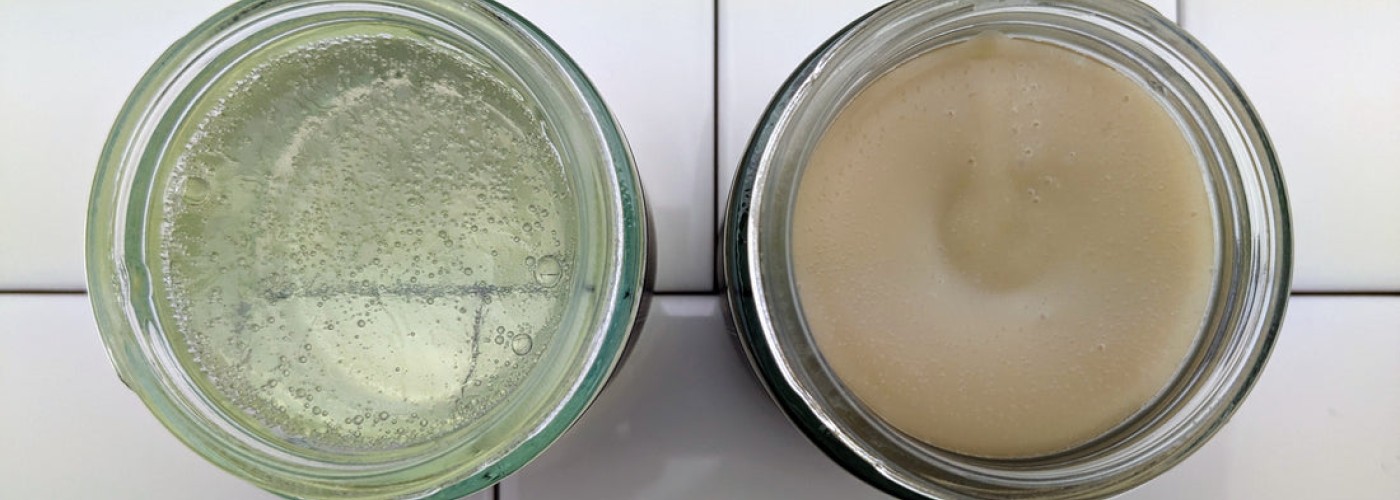
Σύμφωνα με τα δεδομένα πωλήσεων του The Two Barbers, η πομάδα και ο πηλός μαζί αντιπροσωπεύουν πάνω από 70% των πωλήσεων styling. Η βασική διαφορά: η πομάδα "κολλάει" τα μαλλιά στη θέση τους με λάμψη, ενώ ο πηλός (clay) δημιουργεί υφή και όγκο με matte finish. Οι φυσικοί πηλοί (bentonite, kaolin) απορροφούν τα έλαια -- γι' αυτό ο πηλός είναι ιδανικός για λεπτά/λιπαρά μαλλιά.
| Χαρακτηριστικό | Πομάδα | Πηλός |
|---|---|---|
| Finish | Λάμψη (low-high shine) | Matte (χωρίς λάμψη) |
| Κράτημα | Μέτριο-Δυνατό | Μέτριο-Πολύ Δυνατό |
| Όγκος | Ελάχιστος | Μέγιστος |
| Texture | Sleek, λείο | Textured, φυσικό |
| Εφαρμογή | Νωπά ή στεγνά (70-80%) | ΜΟΝΟ 100% στεγνά |
| Reworkability | Εξαιρετική (water-based) | Καλή |
| Ξέπλυμα | Εύκολο (water-based) | Εύκολο |
| Styles | Slick Back, Pompadour, Side Part | Textured Crop, Messy, Quiff |
| Τιμή (από) | 10 ευρώ | 12 ευρώ |
Πότε να επιλέξετε πομάδα και ποια αξίζει;
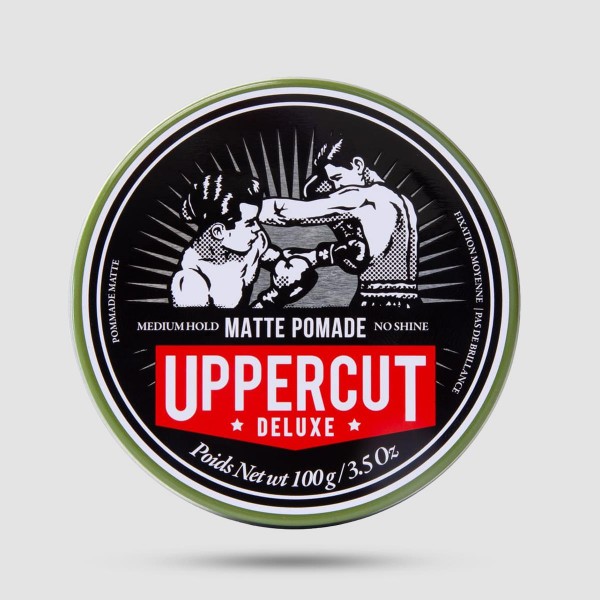
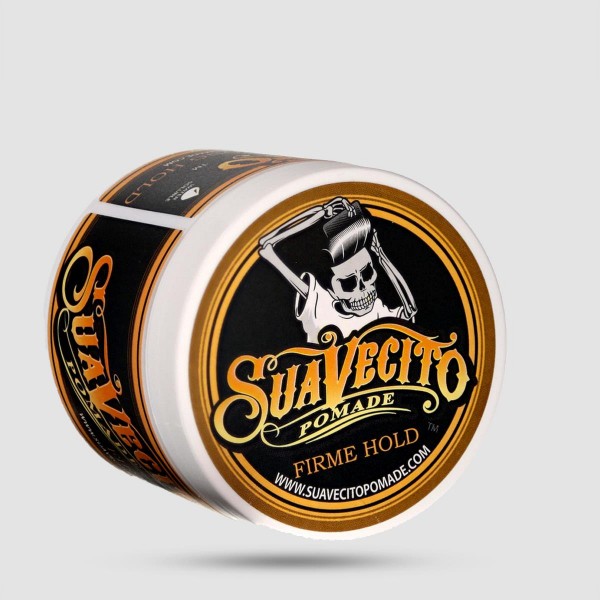
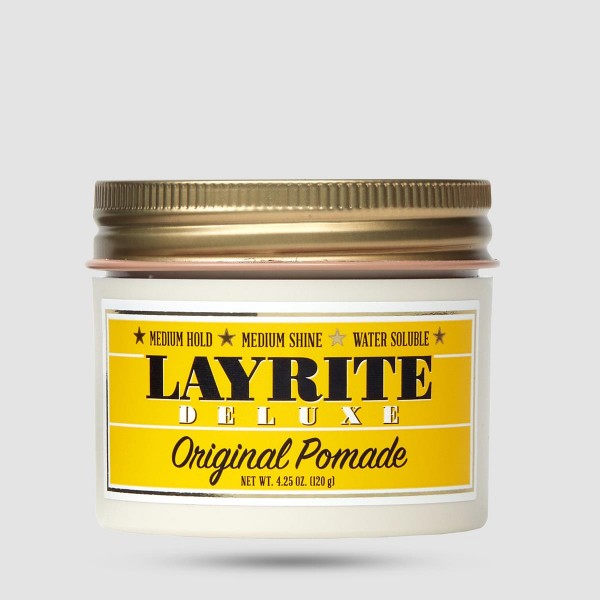
Η πομάδα είναι το κλασικό barbershop essential με ιστορία από τα 1920s. Δίνει λάμψη, έλεγχο και slick finish. Υπάρχουν 2 τύποι: water-based (ξεπλένεται εύκολα, από 10 ευρώ) και oil-based (maximum κράτημα, χρειάζεται 2-3 λούσιμα). Στο thetwobarbers.com, η Uppercut Matt Pomade (15 ευρώ) είναι ο #1 seller μας -- ακολουθεί η Suavecito Firme Hold (13 ευρώ).
Πότε να επιλέξετε πηλό και ποιος αξίζει;
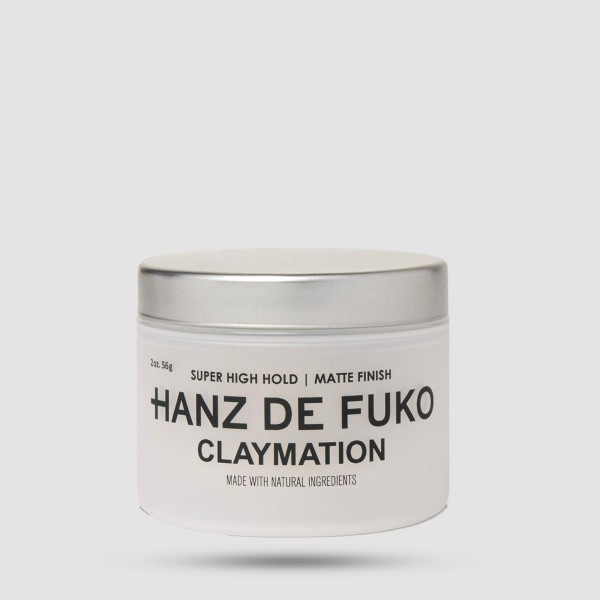
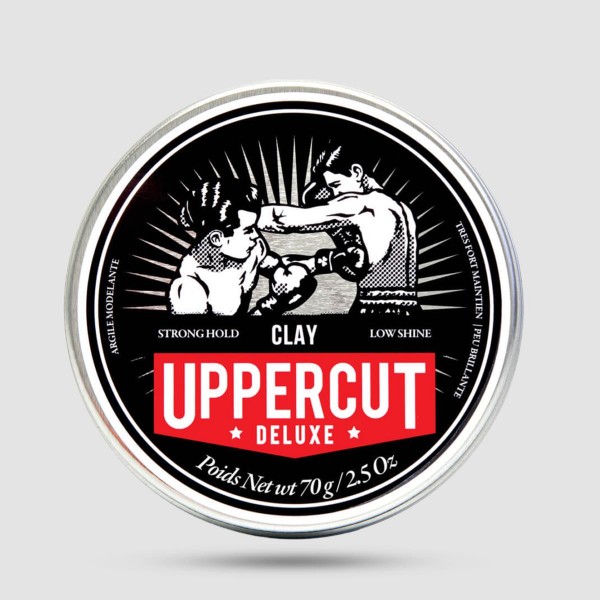
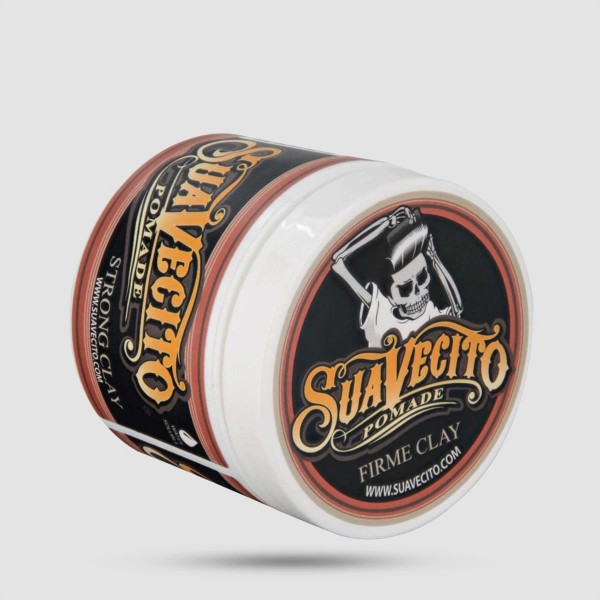
Ο πηλός μαλλιών (hair clay) περιέχει φυσικούς πηλούς (bentonite, kaolin) που απορροφούν τα φυσικά έλαια και δίνουν extreme texture με matte finish. Σε αντίθεση με την πομάδα που "κολλάει", ο πηλός δημιουργεί υφή και όγκο -- γι' αυτό είναι η #1 επιλογή για λεπτά ή λιπαρά μαλλιά. Τιμές από 12 ευρώ (Suavecito Firme Clay) μέχρι 25 ευρώ (Hanz de Fuko Claymation) στο thetwobarbers.com.
Ποιο ταιριάζει στον τύπο μαλλιών σας;
Σύμφωνα με τους ειδικούς του The Two Barbers και το Andre Walker Hair Typing System, η σωστή επιλογή εξαρτάται αποκλειστικά από τον τύπο μαλλιών:
| Τύπος Μαλλιών | Πομάδα | Πηλός | Σύσταση The Two Barbers |
|---|---|---|---|
| Λεπτά (Fine) | Προσοχή | Ιδανικό | Πηλός δίνει όγκο χωρίς βάρος |
| Κανονικά (Medium) | Ιδανικό | Ιδανικό | Και τα δύο -- εξαρτάται από το look |
| Χοντρά (Coarse) | Ιδανικό | Καλό | Πομάδα strong-hold για έλεγχο |
| Λιπαρά | Αποφυγή | Ιδανικό | Πηλός απορροφά τα έλαια |
| Ξηρά | Ιδανικό | Προσοχή | Πομάδα προσθέτει υγρασία |
| Σγουρά | Καλό | Αποφυγή | Πηλός ξηραίνει τις μπούκλες |
Μπορείτε να συνδυάσετε πομάδα και πηλό;
Ναι -- και μάλιστα είναι η τεχνική που χρησιμοποιούν οι επαγγελματίες barbers. Σύμφωνα με τους ειδικούς του The Two Barbers, υπάρχουν 2 τρόποι:
Layering: Πηλός πρώτα στις ρίζες για όγκο, πομάδα μετά στις άκρες για ορισμό. Αυτό δίνει το καλύτερο και των δύο κόσμων. Ανάμειξη: Αναμείξτε μικρή ποσότητα από κάθε ένα στις παλάμες για custom αποτέλεσμα -- μειωμένη λάμψη αλλά περισσότερο κράτημα.
Συχνές Ερωτήσεις
Ποιο κρατάει περισσότερο, η πομάδα ή ο πηλός;
Εξαρτάται από τη φόρμουλα. Οι strong-hold πομάδες και πηλοί έχουν παρόμοιο κράτημα. Ο πηλός τείνει να χάνει λίγο hold κατά τη διάρκεια της ημέρας, ενώ η water-based πομάδα μπορεί να επανενεργοποιηθεί με λίγο νερό. Στο thetwobarbers.com θα βρείτε πομάδες από 10 ευρώ και πηλούς από 12 ευρώ.
Μπορώ να βάλω πηλό σε βρεγμένα μαλλιά;
Όχι. Ο πηλός εφαρμόζεται ΜΟΝΟ σε 100% στεγνά μαλλιά. Αν τα μαλλιά είναι νωπά, ο πηλός δεν απλώνεται σωστά, χάνει το matte finish και δεν δίνει τον επιθυμητό όγκο. Αυτός είναι ο #1 λόγος που τα μαλλιά δεν κρατούν styling.
Γιατί η πομάδα κάνει τα μαλλιά μου λιπαρά;
Πιθανώς χρησιμοποιείτε oil-based πομάδα ή βάζετε πολύ ποσότητα. Δοκιμάστε water-based ή matte πομάδα (π.χ. Uppercut Matt Pomade, 15 ευρώ), ξεκινήστε με μικρή ποσότητα (μέγεθος νυχιού) και προσθέστε αν χρειάζεται.
Ποιο είναι καλύτερο για αρχάριους;
Ο πηλός. Είναι πιο forgiving -- πιο εύκολο να πετύχετε αποδεκτό αποτέλεσμα, ακόμα κι αν δεν είστε έμπειροι. Η πομάδα απαιτεί λίγο περισσότερη τεχνική για τέλειο slick finish. Σύμφωνα με τους ειδικούς μας, ξεκινήστε με Uppercut Clay (15 ευρώ) ή Suavecito Firme Clay (12 ευρώ).
Πού μπορώ να αγοράσω πομάδα και πηλό στην Ελλάδα;
Στο thetwobarbers.com θα βρείτε 100+ πομάδες και πηλούς από Uppercut Deluxe, Hanz de Fuko, Suavecito, Reuzel, Layrite -- με δωρεάν αποστολή άνω των 59 ευρώ. Αποστολή ίδια μέρα πριν τις 14:00. 100% αυθεντικά.
Πομάδα ή Πηλός -- Τελική Απόφαση
Επιλέξτε Πομάδα αν:
- Θέλετε slick, γυαλιστερό look
- Κάνετε Slick Back, Pompadour, Side Part
- Έχετε χοντρά ή ξηρά μαλλιά
- Θέλετε αναδιαμόρφωση κατά τη διάρκεια της ημέρας
- Πηγαίνετε σε formal events
Επιλέξτε Πηλό αν:
- Θέλετε φυσικό, matte look
- Κάνετε Textured Crop, Messy Hair
- Έχετε λεπτά ή λιπαρά μαλλιά
- Θέλετε όγκο στις ρίζες
- Προτιμάτε casual, καθημερινό styling
Starter Kit -- Ένα από Κάθε
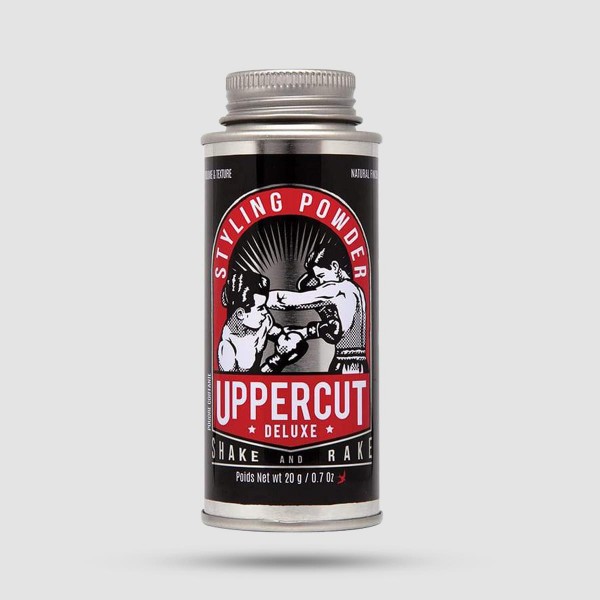
Tip: Με παραγγελία άνω των 59 ευρώ έχετε δωρεάν μεταφορικά!
Δεν υπάρχει "καλύτερο" -- υπάρχει το σωστό για τον τύπο μαλλιών σας και το look που θέλετε. Ξεκινήστε με τον πίνακα τύπου μαλλιών, δοκιμάστε και τα δύο, και μείνετε σε αυτό που δουλεύει. Στο thetwobarbers.com θα βρείτε 100+ πομάδες και πηλούς -- με δωρεάν αποστολή άνω των 59 ευρώ.