
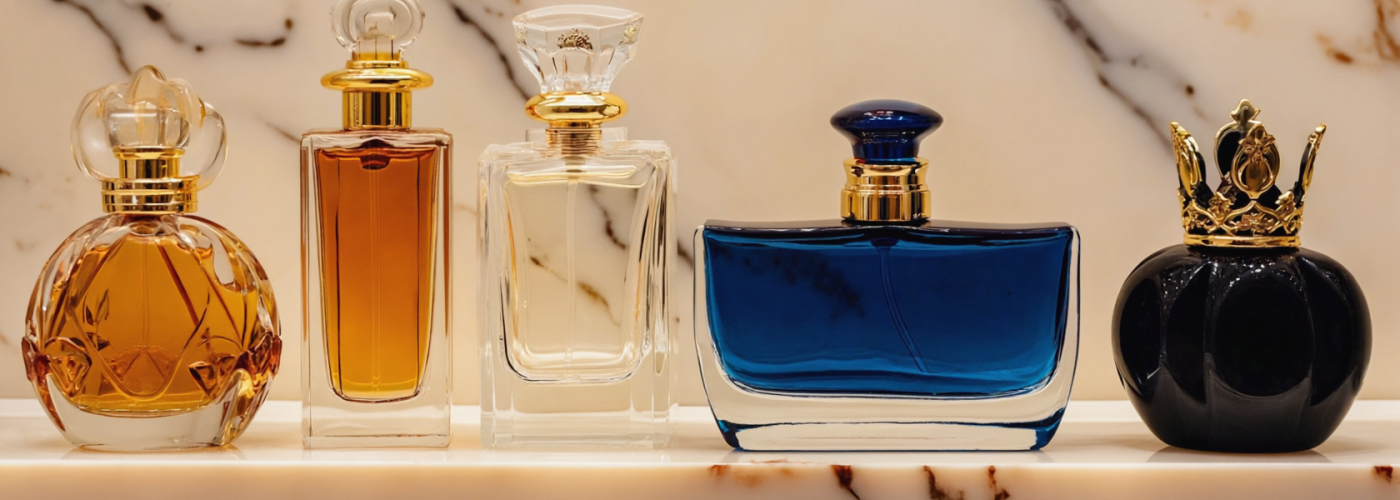
Αρώματα 2026: Ο Πλήρης Οδηγός για Επιλογή, Χρήση και Συντήρηση
Το άρωμα είναι ένα από τα πιο ισχυρά εργαλεία προσωπικής έκφρασης — τόσο για άνδρες όσο και για γυναίκες. Η σωστή επιλογή και εφαρμογή μπορεί να μετατρέψει την παρουσία σας και να αφήσει αξέχαστη εντύπωση. Με 500+ αρώματα στη συλλογή μας, 60+ premium brands και 20+ χρόνια εμπειρίας, η ομάδα του The Two Barbers εξηγεί τα πάντα: από τις διαφορές EDP vs EDT μέχρι τα κορυφαία niche houses του 2026.
Περιεχόμενα
Γρήγορη Επισκόπηση - Τι Θα Μάθετε
- 5 κατηγορίες αρωμάτων: Από Extrait de Parfum (20-40% συγκέντρωση, 8-24 ώρες διάρκεια) έως Eau Fraiche (1-3%, κάτω από 1 ώρα)
- Eau de Parfum = η καλύτερη επιλογή για μεγάλη διάρκεια: 15-25% συγκέντρωση, 4-8 ώρες, ιδανικό για καθημερινή χρήση και γραφείο
- Niche αρώματα 2026: Οίκοι όπως Nishane, Xerjoff, Jeroboam Paris δημιουργούν μοναδικές συνθέσεις με σπάνια υλικά
- Σωστή εφαρμογή: 2-4 ψεκασμοί στα σημεία σφυγμού, χωρίς τρίψιμο, σε ενυδατωμένο δέρμα
- Αποθήκευση: Σε δροσερό, σκοτεινό μέρος (15-20°C) - μακριά από φως, θερμότητα και υγρασία
Ποιες είναι οι βασικές κατηγορίες αρωμάτων και τι σημαίνει κάθε μία;
Τα αρώματα χωρίζονται σε 5 κατηγορίες βάσει συγκέντρωσης αρωματικών ελαίων: Extrait de Parfum (20-40%), Eau de Parfum (15-20%), Eau de Toilette (5-15%), Eau de Cologne (2-5%) και Eau Fraiche (1-3%). Η πιο δημοφιλής επιλογή παγκοσμίως — και μεταξύ των πελατών μας, ανδρών και γυναικών — είναι το Eau de Parfum, που προσφέρει την ιδανική ισορροπία διάρκειας (6-8 ώρες) και συγκέντρωσης.
| Κατηγορία | Συγκέντρωση | Διάρκεια | Ιδανική Χρήση |
|---|---|---|---|
| Extrait de Parfum | 20-40% | 8-24 ώρες | Ειδικές περιστάσεις, βράδυ |
| Eau de Parfum (EDP) | 15-25% | 4-8 ώρες | Καθημερινή χρήση, γραφείο, έξοδος |
| Eau de Toilette (EDT) | 5-15% | 2-4 ώρες | Πρωινές ώρες, casual περιστάσεις |
| Eau de Cologne (EDC) | 2-5% | 1-2 ώρες | Φρεσκάρισμα, αθλητισμός |
| Eau Fraiche | 1-3% | Λιγότερο από 1 ώρα | Καλοκαίρι, ευαίσθητα δέρματα |
Τι είναι το Extrait de Parfum και γιατί αξίζει;
Το Extrait de Parfum είναι η πιο πυκνή και πολυτελής μορφή αρώματος. Με συγκέντρωση 20-40% σε αρωματικά έλαια, προσφέρει:
- Εξαιρετική διάρκεια: 8-24 ώρες ή και περισσότερο
- Έντονο sillage: Αφήνει έντονο αρωματικό ίχνος
- Πολυπλοκότητα: Όλες οι νότες αναπτύσσονται πλήρως
- Λιγότερη αλκοόλη: Ιδανικό για ευαίσθητα δέρματα
- Οικονομία στη χρήση: 1-2 σταγόνες αρκούν
Γιατί το Eau de Parfum είναι η καλύτερη επιλογή για τους περισσότερους;
Το Eau de Parfum είναι η πιο δημοφιλής επιλογή παγκοσμίως. Με συγκέντρωση 15-25%, προσφέρει την τέλεια ισορροπία μεταξύ έντασης, διάρκειας και τιμής.
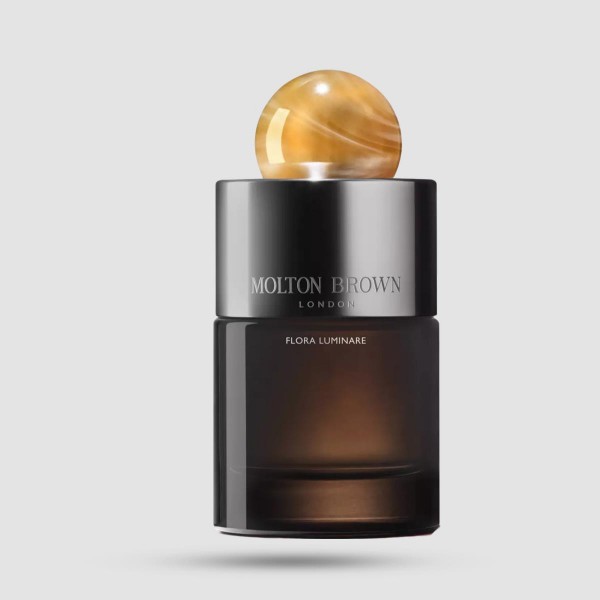
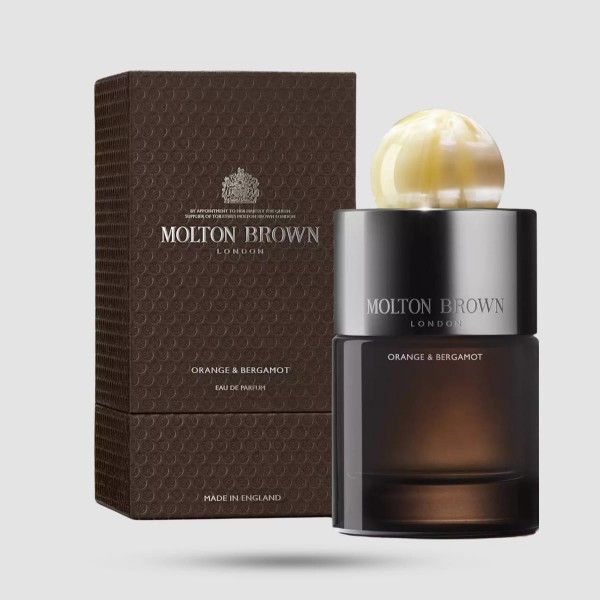
Top Eau de Parfum - Προτάσεις The Two Barbers
Δες Όλα τα Eau de Parfum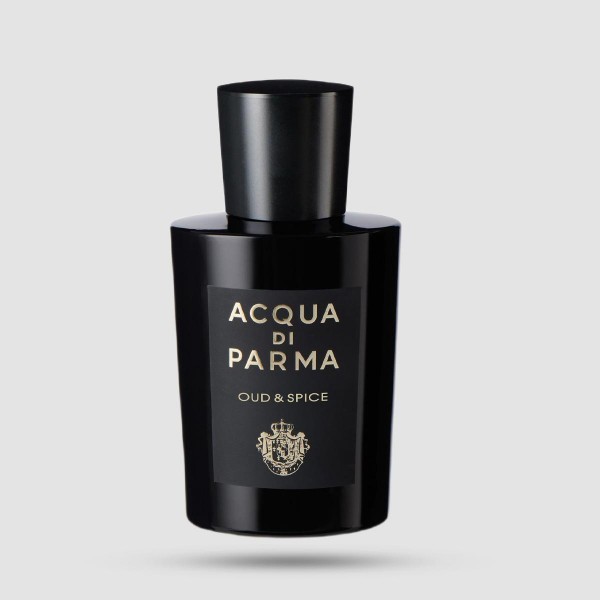
Πότε να επιλέξετε Eau de Toilette αντί για EDP;
Το Eau de Toilette με συγκέντρωση 5-15% είναι ιδανικό για καθημερινή χρήση. Τέλειο για πρωινές ώρες και γραφείο, με ελαφρύ και φρέσκο χαρακτήρα.
Top Eau de Toilette - Προτάσεις The Two Barbers
Δες Όλα τα Eau de Toilette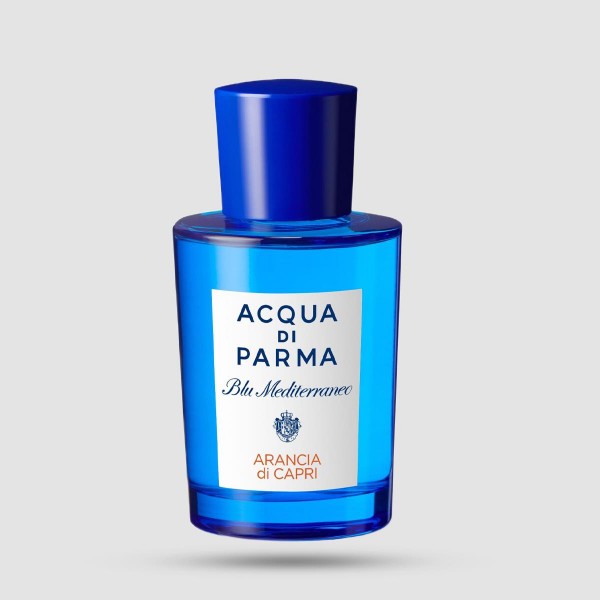
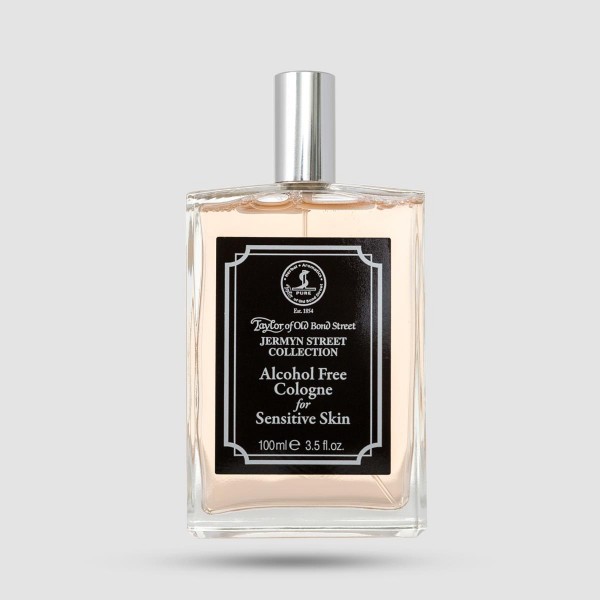
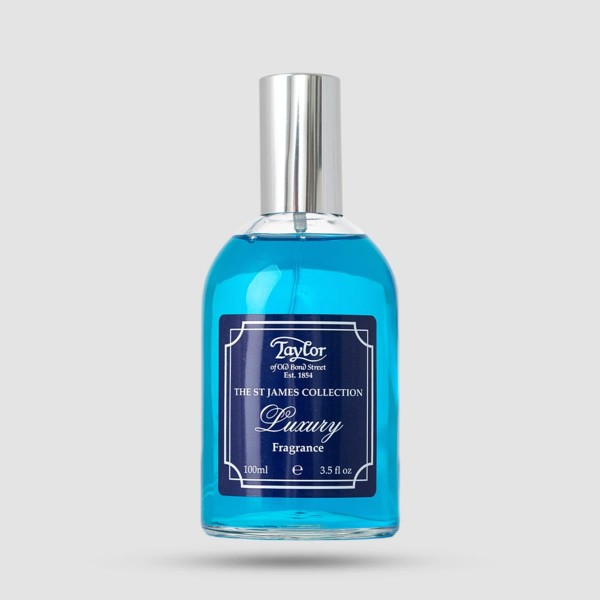
Τι είναι η Eau de Cologne και πότε χρησιμοποιείται;
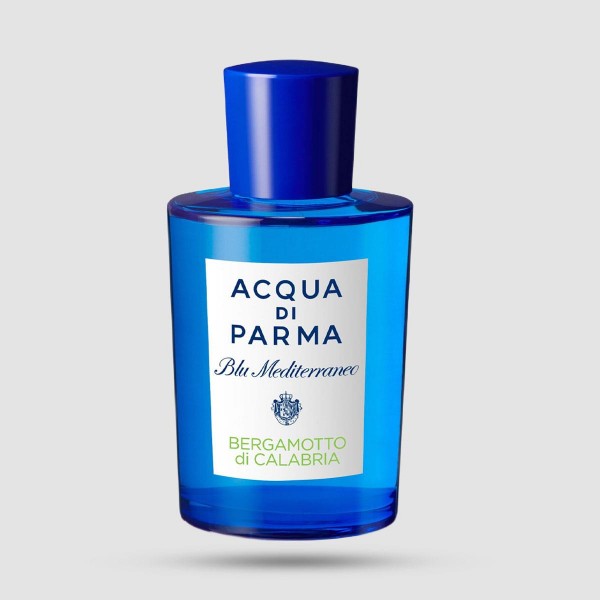
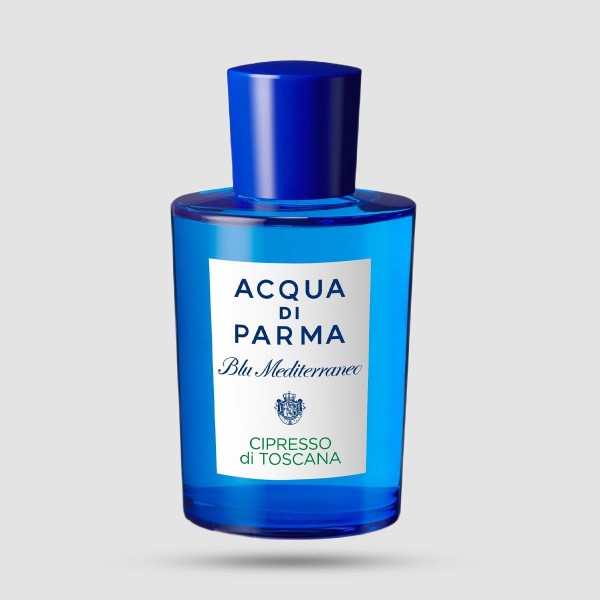
Το Eau de Cologne έχει ιστορία από το 1709. Με συγκέντρωση 2-5%, είναι ιδανικό για φρεσκάρισμα, αθλητισμό και ζεστές μέρες.
Top Eau de Cologne - Προτάσεις The Two Barbers
Δες Όλα τα Eau de Cologne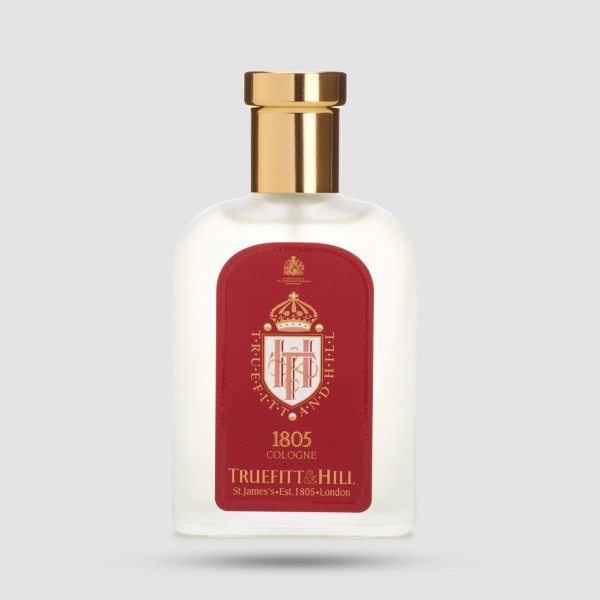
Γιατί τα niche αρώματα κυριαρχούν το 2026 και ποια αξίζουν;
Τα niche αρώματα κυριαρχούν το 2026 γιατί προσφέρουν μοναδικές συνθέσεις με σπάνια υλικά, 2-3x μεγαλύτερη διάρκεια από τα designer, και μοναδική αρωματική εμπειρία — τόσο για άνδρες όσο και για γυναίκες. Η παγκόσμια αγορά niche αρωμάτων ξεπερνά τα $5.4 δισεκατομμύρια, με ετήσια αύξηση 15-20%. Στο The Two Barbers θα βρείτε τη μεγαλύτερη συλλογή niche αρωμάτων στην Ελλάδα — από Turkish Extrait μέχρι Italian ultra-luxury. Αν θέλετε αναλυτικότερο οδηγό, δείτε τον Οδηγό Επιλογής Αρώματος.
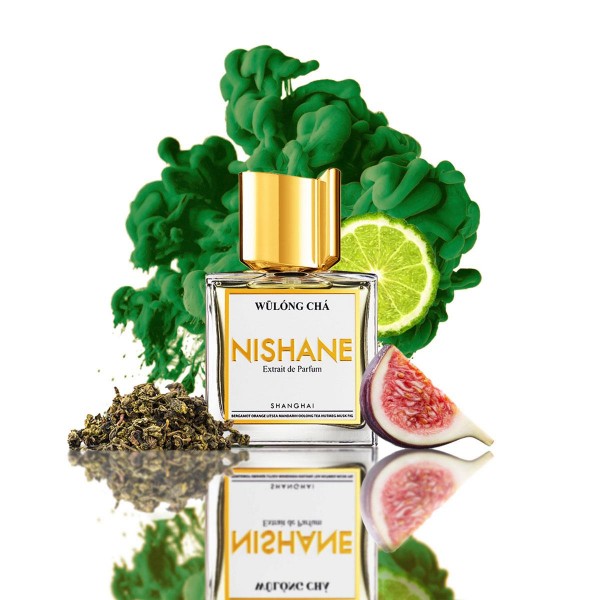
Γιατί η Nishane θεωρείται κορυφαίος οίκος Extrait;
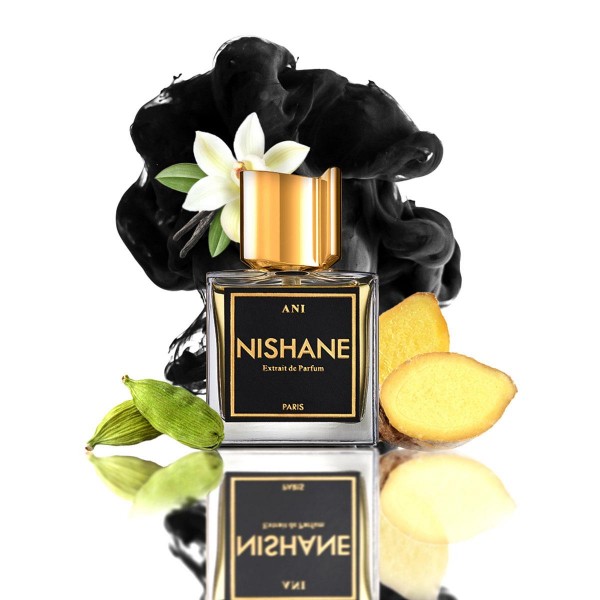
Από την Κωνσταντινούπολη, η Nishane είναι το πρώτο Turkish niche brand που κατέκτησε τη διεθνή σκηνή. Τα Extrait de Parfum τους (20-40% συγκέντρωση, από €219) είναι από τα πιο δυνατά και long-lasting αρώματα στον κόσμο — τόσο για άνδρες όσο και για γυναίκες. Σύμφωνα με τις κριτικές των πελατών μας, τα Hacivat και Ani είναι τα πιο δημοφιλή, με διάρκεια 10+ ωρών.
Δες Όλα τα Nishane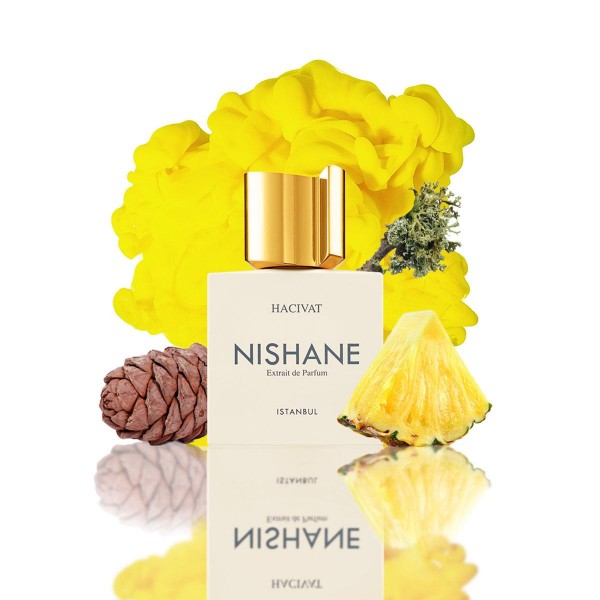
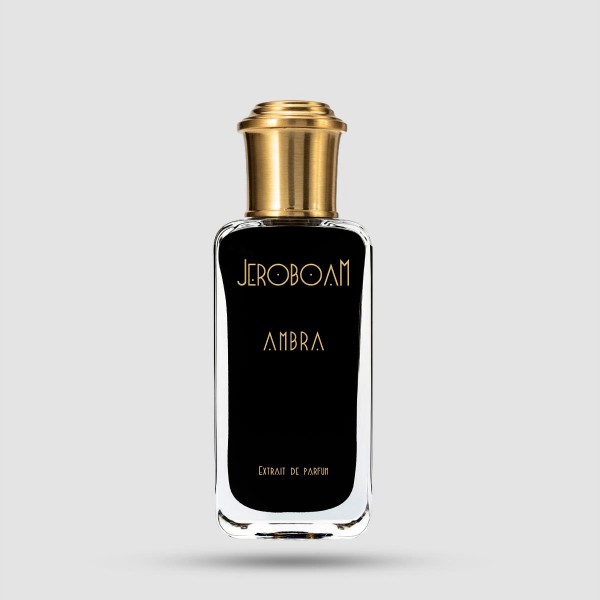
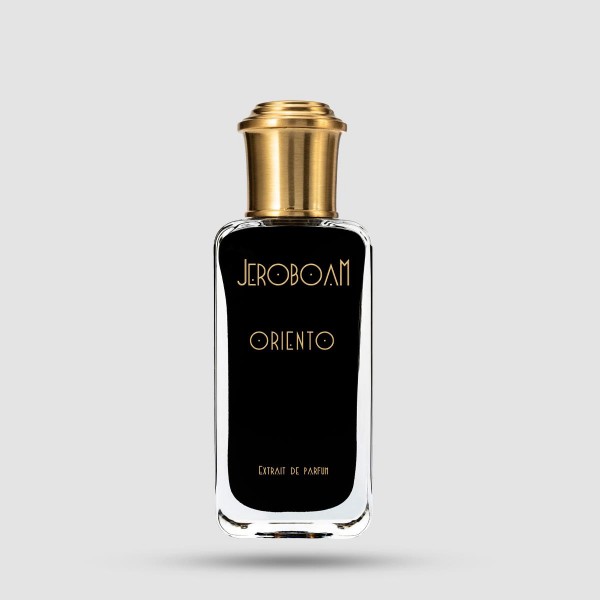
Τι κάνει τα Jeroboam Paris μοναδικά στην αγορά Extrait;
Ο Vanina Muracciole δημιούργησε τη Jeroboam το 2015 με μια μοναδική φιλοσοφία: κάθε άρωμα είναι ένας μουσικός αριθμός. Τα ονόματα (Origino, Oriento, Insulo) είναι λατινικές λέξεις που τελειώνουν σε "ο" — σαν μουσικές νότες. Extrait 30% συγκέντρωση (από €100 για 30ml) για maximum intensity, unisex appeal.
Δες Όλα τα Jeroboam Paris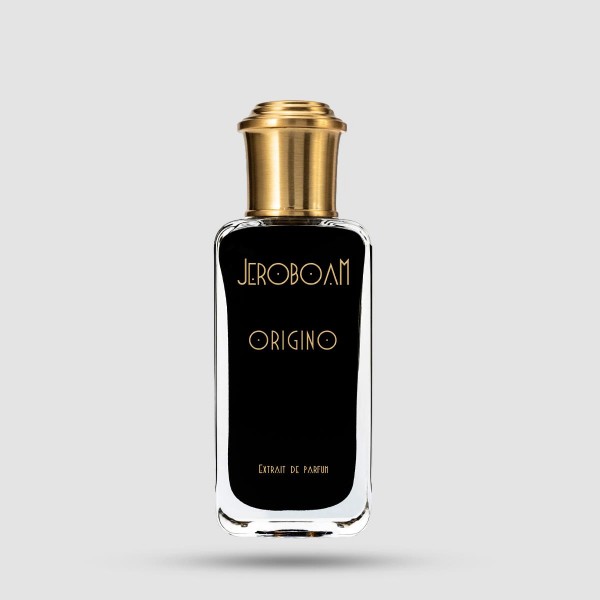
Γιατί η Xerjoff είναι συνώνυμο της ιταλικής αρωματικής πολυτέλειας;
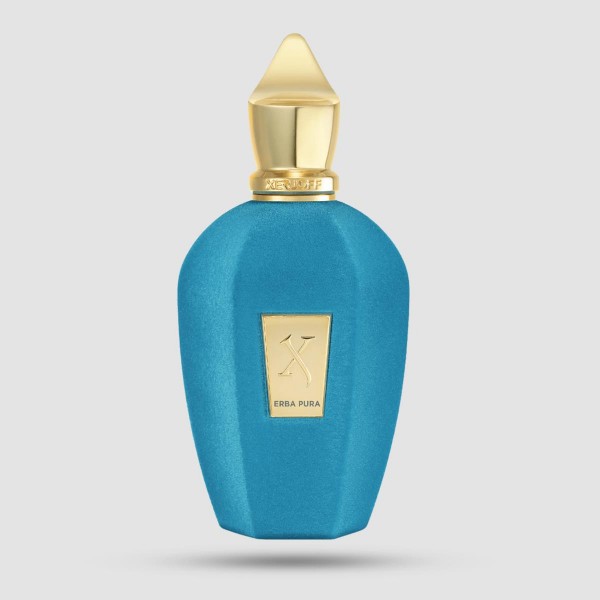
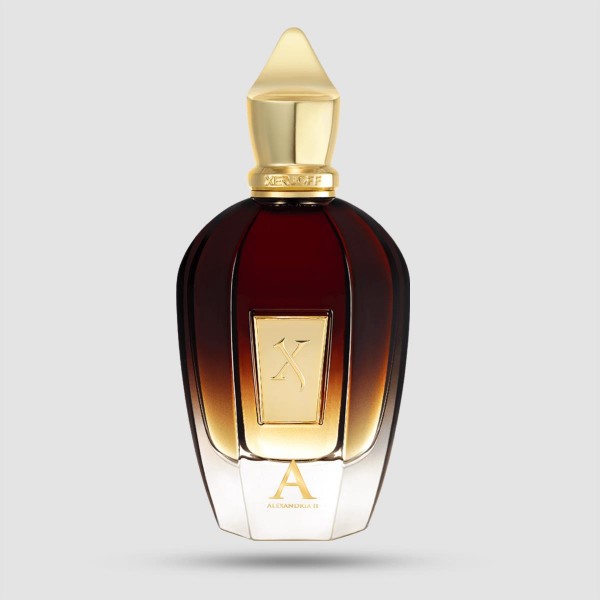
Από τη Torino της Ιταλίας, η Xerjoff είναι συνώνυμο της ultra-luxury αρωματοποιίας. Χρησιμοποιούν τα πιο ακριβά πρώτα υλικά στον κόσμο — από Laotian oud μέχρι Grasse jasmine. Τα EDP τους (από €165 για 50ml) κρατάνε 8-10 ώρες. Σύμφωνα με τους ειδικούς του The Two Barbers: «Τα Xerjoff Naxos και Erba Pura είναι τα δύο πιο ζητημένα niche αρώματα στην Ελλάδα — τόσο από άνδρες όσο και από γυναίκες.» Δείτε τον αναλυτικό Οδηγό Xerjoff για όλα τα αρώματα του οίκου.
Δες Όλα τα Xerjoff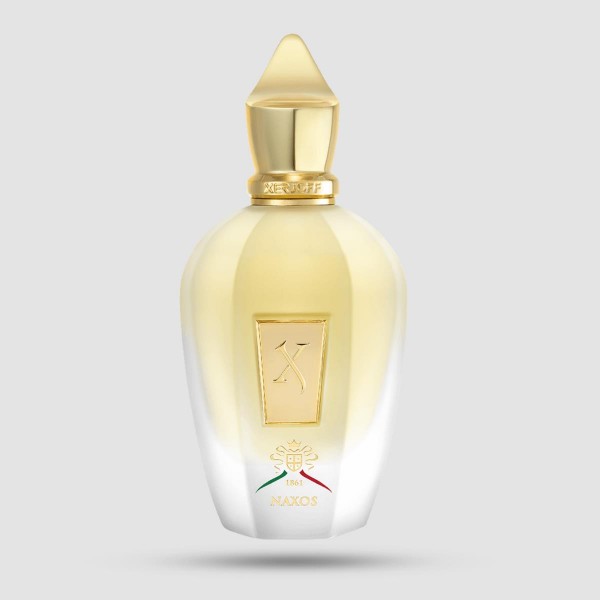
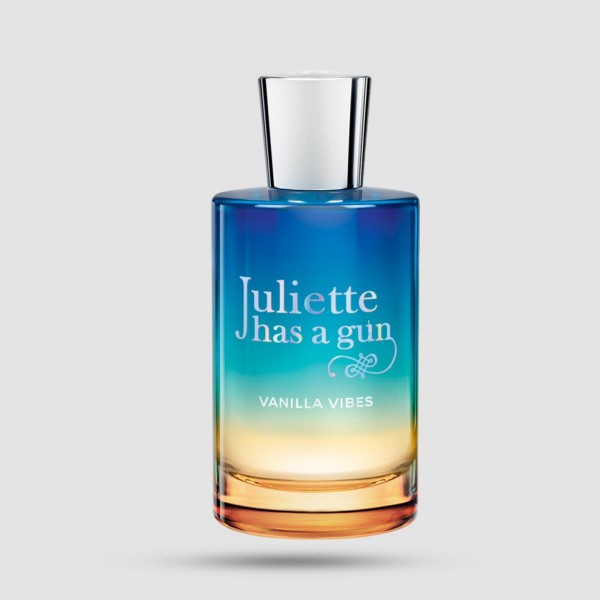
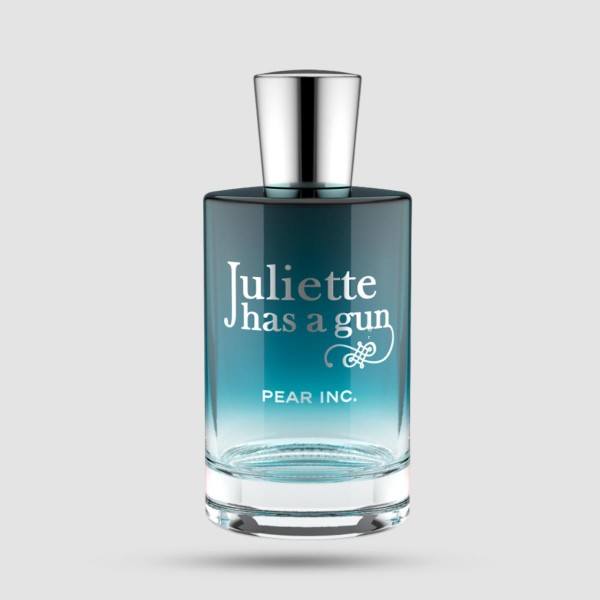
Τι κάνει τα Juliette Has a Gun ιδανικά για γυναίκες και unisex;
Η Romano Ricci (δισέγγονος του Nina Ricci) δημιούργησε τη Juliette Has A Gun το 2006 ως έναν ύμνο στη γυναικεία ελευθερία. Τα αρώματα (EDP, από €88) είναι μινιμαλιστικά, τολμηρά και ιδανικά τόσο για γυναίκες όσο και ως unisex επιλογές. Η πιο δημοφιλής επιλογή μεταξύ των πελατών μας: Not a Perfume — ένα μόριο, ένα statement.
Δες Όλα τα Juliette Has A Gun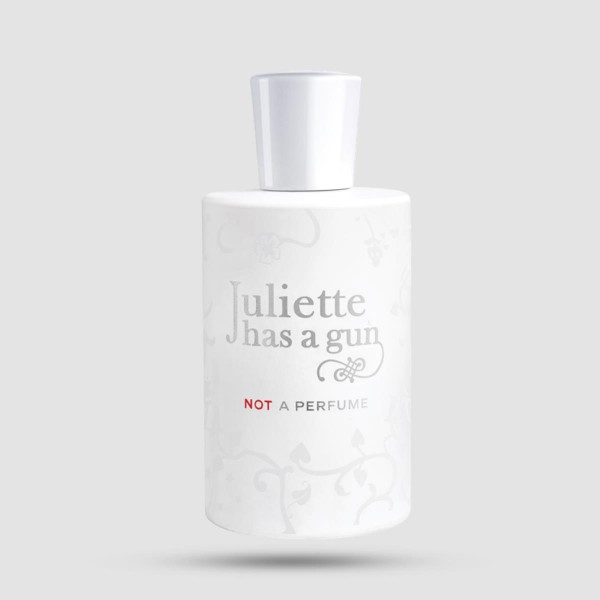
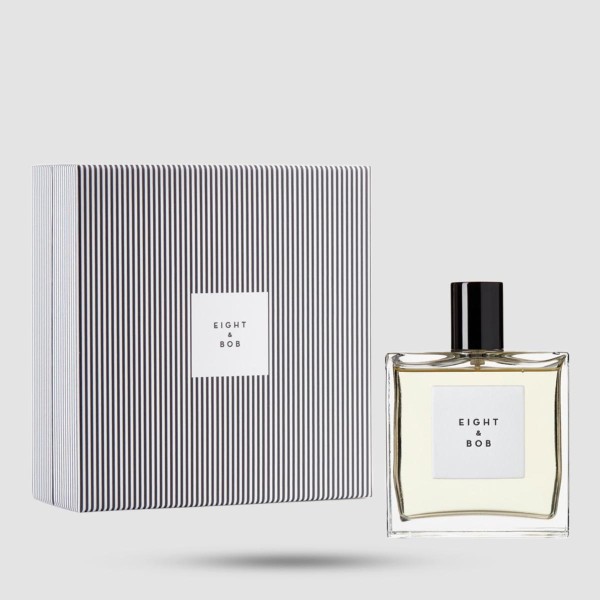
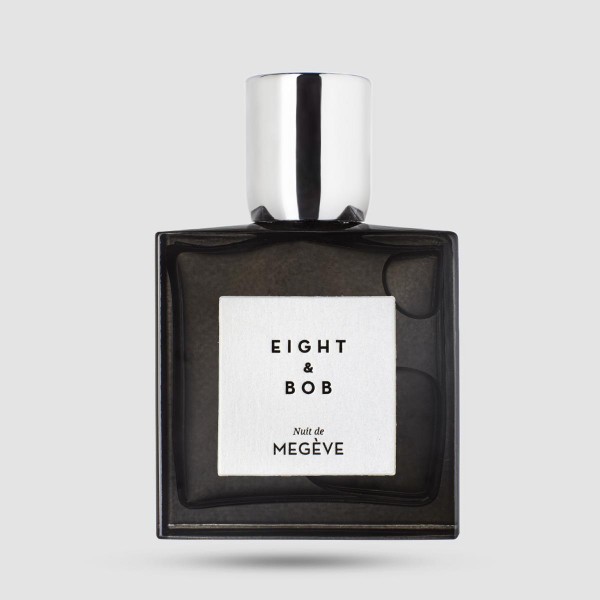
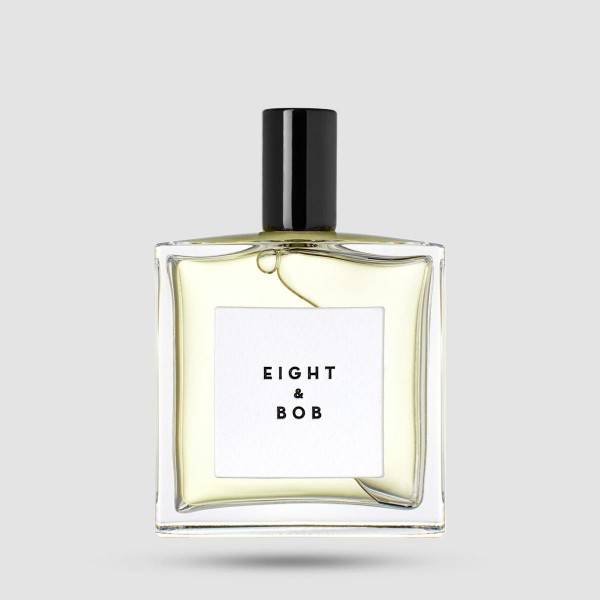
Ποια είναι η ιστορία πίσω από τα Eight & Bob;
Η ιστορία του Eight & Bob είναι εξαιρετική. Το 1937, ο John F. Kennedy συνάντησε τον Albert Fouquet στη Γαλλική Ριβιέρα. Ο Fouquet του χάρισε ένα δείγμα του χειροποίητου αρώματός του. Ο JFK ενθουσιάστηκε τόσο πολύ που ζήτησε οκτώ μπουκάλια — ένα για τον ίδιο και επτά για φίλους. Έτσι γεννήθηκε το όνομα Eight & Bob. Τα EDP τους (από €80 για 30ml) είναι unisex κλασικά. Δείτε την πλήρη Ιστορία του Eight & Bob.
Δες Όλα τα Eight & Bob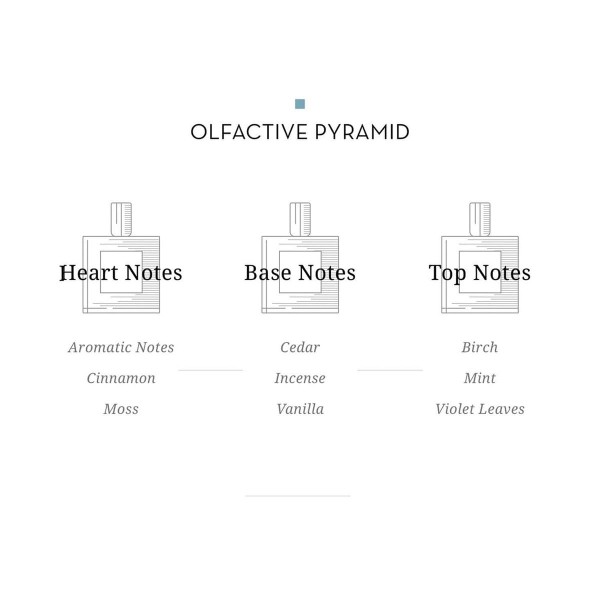
Γιατί η House of Oud ξεχωρίζει στα oud αρώματα;
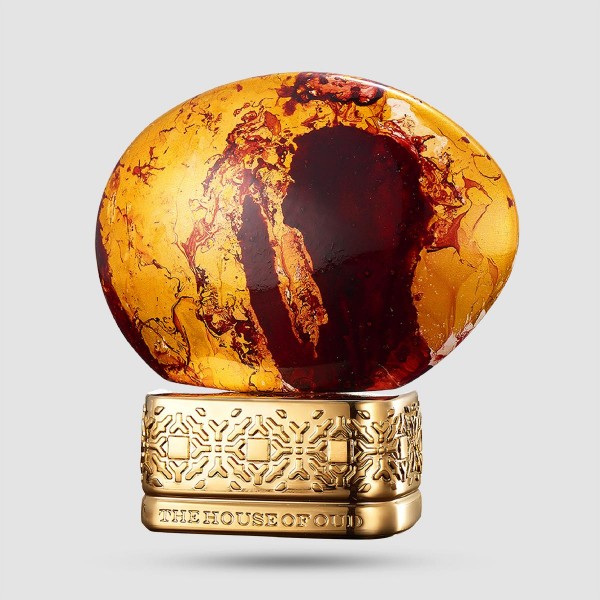
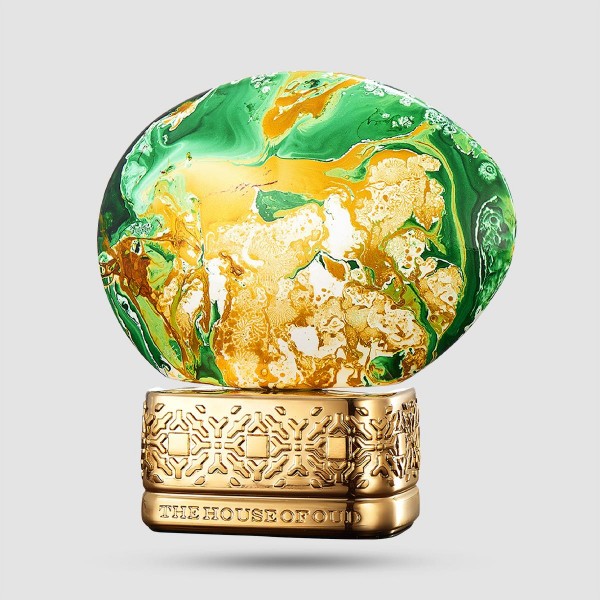
Ιταλικός niche οίκος που ειδικεύεται στο oud - το πιο πολυτελές αρωματικό υλικό στον κόσμο (πωλείται έως 100.000€/κιλό). Συνδυάζουν το ανατολίτικο oud με δυτική αισθητική, δημιουργώντας wearable yet luxurious compositions.
Δες Όλα τα The House Of Oud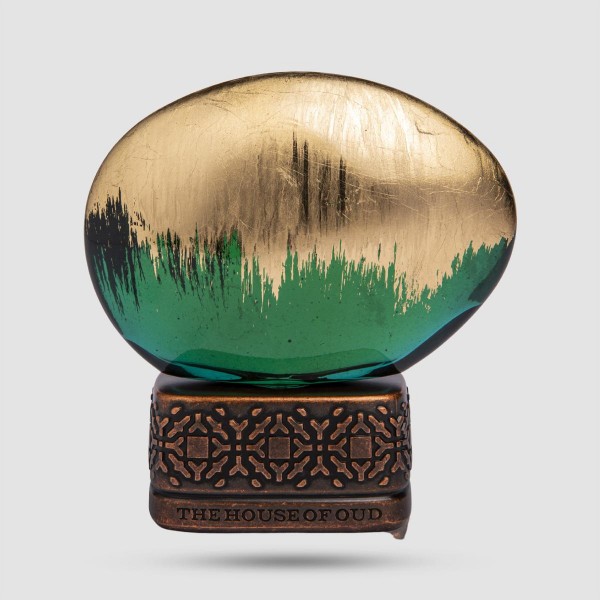
Πώς εφαρμόζετε σωστά το άρωμα για μέγιστη διάρκεια;
Η σωστή εφαρμογή του αρώματος είναι τέχνη που κάνει τεράστια διαφορά στη διάρκεια. Τα σημεία σφυγμού είναι περιοχές όπου τα αιμοφόρα αγγεία βρίσκονται κοντά στην επιφάνεια του δέρματος, εκπέμποντας θερμότητα που βοηθά στη διάχυση του αρώματος.
Ποια είναι τα πιο συχνά λάθη στην εφαρμογή αρώματος;
- Τρίψιμο των καρπών - Σπάει τα μόρια του αρώματος
- Υπερβολική ποσότητα - 2-4 ψεκασμοί αρκούν
- Εφαρμογή σε στεγνό δέρμα - Το ενυδατωμένο δέρμα κρατά καλύτερα
- Αποθήκευση στο μπάνιο - Η υγρασία καταστρέφει το άρωμα
- Ψεκασμός στον αέρα - Σπατάλη προϊόντος
Πώς επιλέγετε το σωστό άρωμα για εσάς;
Η επιλογή του σωστού αρώματος είναι προσωπική υπόθεση που εξαρτάται από τον τύπο δέρματος, τον τρόπο ζωής και την περίσταση. Δεν υπάρχει one size fits all — αλλά υπάρχουν κανόνες που εγγυώνται καλύτερη επιλογή. Για αναλυτικότερο οδηγό, δείτε το άρθρο Πώς να Επιλέξετε Άρωμα.
- Δοκιμάστε στο δέρμα σας - Το pH επηρεάζει το άρωμα
- Περιμένετε 30 λεπτά - Αφήστε όλες τις νότες να αναπτυχθούν
- Μέγιστο 3 αρώματα/μέρα - Ο ρινικός κόρος είναι πραγματικός
- Σκεφτείτε την περίσταση - Άλλο γραφείο, άλλο ραντεβού
- Εποχικότητα μετράει - Φρέσκα το καλοκαίρι, ζεστά το χειμώνα
- Ζητήστε δείγματα - Δοκιμάστε για 2-3 μέρες
- Ακούστε τη διαίσθησή σας - Αν χαμογελάτε, είναι το σωστό
Ποιο άρωμα ταιριάζει σε κάθε εποχή;
| Εποχή | Ιδανικές Νότες | Συγκέντρωση |
|---|---|---|
| Άνοιξη | Λουλούδια, πράσινες νότες, φρούτα | EDT, EDP light |
| Καλοκαίρι | Εσπεριδοειδή, aquatic, μόσχος | EDT, EDC |
| Φθινόπωρο | Μπαχαρικά, ξύλα, γλυκά φρούτα | EDP |
| Χειμώνας | Βανίλια, oud, δέρμα, καπνός | EDP, Extrait |
Πώς αποθηκεύετε τα αρώματα για μέγιστη διάρκεια ζωής;
Η σωστή αποθήκευση παρατείνει τη ζωή του αρώματός σας έως και 3 φορές. Τα αρώματα είναι ευαίσθητα σε φως, θερμότητα, υγρασία και αέρα — οι τέσσερις εχθροί που πρέπει να αποφύγετε.
- Φως - Ειδικά το άμεσο ηλιακό σπάει τα μόρια
- Θερμότητα - Επιταχύνει την οξείδωση
- Υγρασία - Το μπάνιο είναι ο χειρότερος χώρος
- Αέρας - Κλείνετε πάντα καλά το καπάκι
- Αποθηκεύστε σε δροσερό, σκοτεινό μέρος (15-20°C)
- Κρατήστε στο αρχικό κουτί για extra προστασία
- Το ψυγείο είναι option για ακριβά extraits
- Μην αλλάζετε μπουκάλια - ο αέρας θα μπει
- Αν αλλάξει χρώμα ή μυρωδιά, αντικαταστήστε το
Πόσο διαρκεί κάθε τύπος αρώματος στο μπουκάλι;
- Extrait de Parfum: 5-8 χρόνια
- Eau de Parfum: 3-5 χρόνια
- Eau de Toilette: 2-3 χρόνια
- Eau de Cologne: 1-2 χρόνια
Συχνές Ερωτήσεις για τα Αρώματα
Τα Do & Don't στην Επιλογή & Εφαρμογή Αρώματος
Κάντε Αυτό
- Δοκιμάστε δείγματα πριν αγοράσετε πλήρες μπουκάλι — στο thetwobarbers.com από €4
- Ψεκάστε σε σημεία παλμού — αφήστε να στεγνώσει μόνο του
- Ενυδατώστε το δέρμα πριν τον ψεκασμό για 2-3 ώρες παραπάνω
- Αλλάξτε άρωμα ανάλογα με την εποχή — ελαφρύ EDT το καλοκαίρι, EDP/Extrait τον χειμώνα
- Εξερευνήστε unisex αρώματα — πολλά κορυφαία niche είναι genderless
- Φυλάξτε τα αρώματα σε σκοτεινό, δροσερό μέρος (15-20°C)
Αποφύγετε Αυτό
- Μην τρίβετε τους καρπούς — σπάει τα μόρια του αρώματος
- Μην αφήνετε αρώματα στο μπάνιο — η υγρασία τα καταστρέφει
- Μην φοράτε βαρύ Extrait σε κλειστό γραφείο — EDT είναι καλύτερο
- Μην κρίνετε ένα άρωμα στα πρώτα 5 λεπτά — περιμένετε το dry-down
- Μην υπερβάλλετε στους ψεκασμούς — 2-4 αρκούν για EDP
- Μην αγοράζετε πλήρες μπουκάλι χωρίς δοκιμή σε δέρμα
- Πώς να Επιλέξετε το Σωστό Άρωμα - αναλυτικός οδηγός βήμα-βήμα
- Xerjoff: Όλα τα Αρώματα του Ιταλικού Οίκου - από Naxos μέχρι Erba Pura
- Eight & Bob: Η Θρυλική Ιστορία - από τον JFK στο σήμερα
- Zielinski & Rozen: Οδηγός Αρωμάτων - η νέα τάση στα niche αρώματα
- Αρωματικά Κεριά & Diffusers - ολοκληρώστε τη συλλογή αρωμάτων σας
- Ποιο Άρωμα για Ποιον Χώρο - οδηγός αρωματισμού σπιτιού
Starter Kit - Τι να Αγοράσεις Πρώτα
Αν ξεκινάς από το μηδέν, αυτά τα αρώματα καλύπτουν τις βασικές σου ανάγκες:
Tip: Με παραγγελία άνω των 59€ έχεις δωρεάν μεταφορικά!
Γιατί να Επιλέξεις The Two Barbers
Το άρωμα είναι προσωπική έκφραση — τόσο για άνδρες όσο και για γυναίκες. Είτε ψάχνετε για τον εαυτό σας είτε για κάποιον αγαπημένο, το τέλειο άρωμα θα το βρείτε με πειραματισμό και υπομονή. Δοκιμάστε δείγματα πριν δεσμευτείτε σε full-size.
Ανακαλύψτε το signature scent σας!