Ανδρικό Σαμπουάν: Πώς να Επιλέξετε το Σωστό για τον Τύπο Μαλλιών σας
Το σωστό σαμπουάν κάνει τεράστια διαφορά -- ανάμεσα σε μαλλιά που φαίνονται άτονα και επίπεδα, και μαλλιά που είναι καθαρά, υγιή και εύκολα στο styling. Είτε αντιμετωπίζετε λιπαρότητα, πιτυρίδα, αραίωση ή ξηρότητα, αυτός ο οδηγός εξηγεί ακριβώς τι χρειάζεστε. Με 20+ χρόνια εμπειρίας στην περιποίηση και πάνω από 60 premium brands, η ομάδα του The Two Barbers έχει δοκιμάσει εκατοντάδες σαμπουάν -- και εδώ είναι αυτά που πραγματικά αξίζουν.
Περιεχόμενα
- Πώς να Επιλέξετε Σαμπουάν Ανάλογα τον Τύπο Μαλλιών
- Σαμπουάν Καθημερινής Χρήσης & Βαθιού Καθαρισμού
- Σαμπουάν για Ξηρά & Λεπτά Μαλλιά + Conditioner
- Βήμα-Βήμα: Το Σωστό Λούσιμο
- Sulfate-Free vs Κανονικό Σαμπουάν: Τι Πρέπει να Ξέρετε
- Συχνές Ερωτήσεις
- Τα Do & Don't του Λουσίματος
- Starter Kit - Τι να Αγοράσετε Πρώτα
Γρήγορη Επισκόπηση - Τι Θα Μάθετε
- Ποιο σαμπουάν ταιριάζει στον τύπο μαλλιών σας: Αναλυτικός οδηγός αντιστοίχισης για λιπαρά, ξηρά, λεπτά και κανονικά μαλλιά με συγκεκριμένες προτάσεις προϊόντων.
- Sulfate-free vs κανονικό σαμπουάν: Πότε χρειάζεστε το καθένα, βάσει πραγματικών αναγκών -- όχι marketing.
- Η σωστή τεχνική λουσίματος: Πέντε βήματα που ακολουθούν οι επαγγελματίες barbers για πιο καθαρά, υγιή μαλλιά -- και τα λάθη που προκαλούν πιτυρίδα και συσσώρευση.
- Χρειάζομαι conditioner; Γιατί το conditioner δεν είναι πολυτέλεια αλλά αναγκαιότητα, ακόμα και για κοντά μαλλιά.
Πώς να Επιλέξετε Σαμπουάν Ανάλογα τον Τύπο Μαλλιών
Οι περισσότεροι αρπάζουν ό,τι σαμπουάν βρουν στο σούπερ μάρκετ χωρίς δεύτερη σκέψη. Όμως ο τύπος μαλλιών μετράει -- αν χρησιμοποιήσετε λάθος σαμπουάν, τα λιπαρά μαλλιά γίνονται πιο λιπαρά, τα ξηρά πιο εύθραυστα και τα λεπτά ακόμα πιο άτονα. Σύμφωνα με την επιστήμη πίσω από τη σύνθεση σαμπουάν, διαφορετικοί τύποι και συγκεντρώσεις επιφανειοδραστικών ουσιών σχεδιάζονται για συγκεκριμένες ανάγκες. Δείτε πώς βρίσκετε αυτό που ταιριάζει στα δικά σας μαλλιά:
| Τύπος Μαλλιών | Βασικά Σημάδια | Τι να Ψάξετε | Προτάσεις |
|---|---|---|---|
| Λιπαρά | Λαδωμένα από το απόγευμα, επίπεδες ρίζες, θέλουν καθημερινό λούσιμο | Βαθύς καθαρισμός, tea tree, μέντα, clarifying | Tea Tree Special, Shampoo Two |
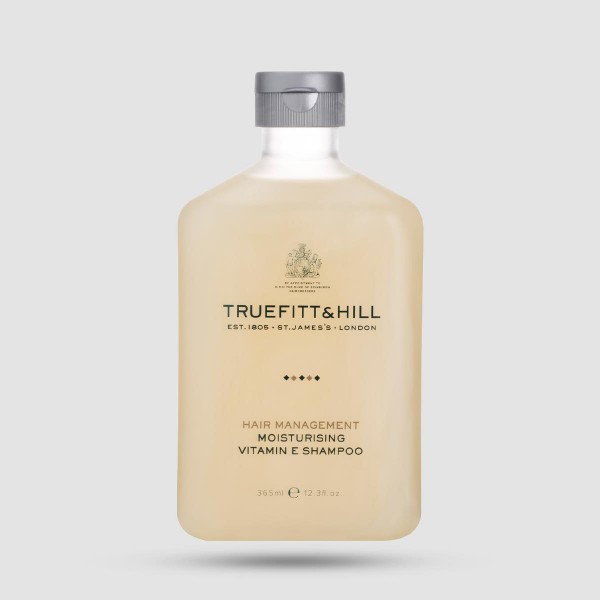
| Ξηρά / Ταλαιπωρημένα | Τραχιά υφή, φριζάρισμα, σπάσιμο, θαμπή εμφάνιση | Ενυδάτωση, βιταμίνη E, λεβάντα, φυσικά έλαια | Lavender Mint, Vitamin E |
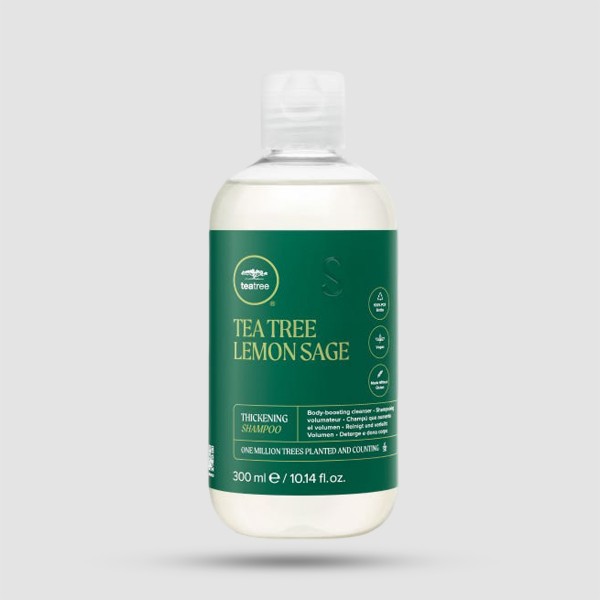
| Λεπτά / Αδύναμα | Επίπεδα, χωρίς όγκο, βαραίνουν εύκολα | Thickening, παντενόλη, ελαφριές φόρμουλες | Lemon Sage Thickening |
| Κανονικά | Ισορροπημένα, χωρίς υπερβολική λιπαρότητα ή ξηρότητα | Ήπιο καθημερινό, εμπλουτισμένο με πρωτεΐνες | Frequent Use, Double Hitter |
| Με Πιτυρίδα | Νιφάδες, φαγούρα, ερυθρότητα στο τριχωτό | Αντιμικροβιακό (tea tree), απολεπιστικό scrub | Tea Tree Special + Scrub |
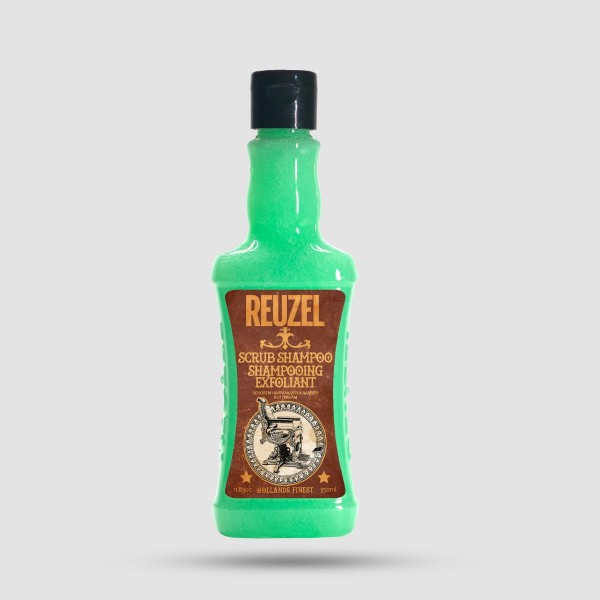
| Χρήστες Styling | Χρησιμοποιούν πομάδα, clay ή κερί τακτικά | Clarifying ή scrub 1-2 φορές/εβδομάδα | Reuzel Scrub + καθημερινό |
Τα Καλύτερα Σαμπουάν Καθημερινής Χρήσης & Βαθιού Καθαρισμού
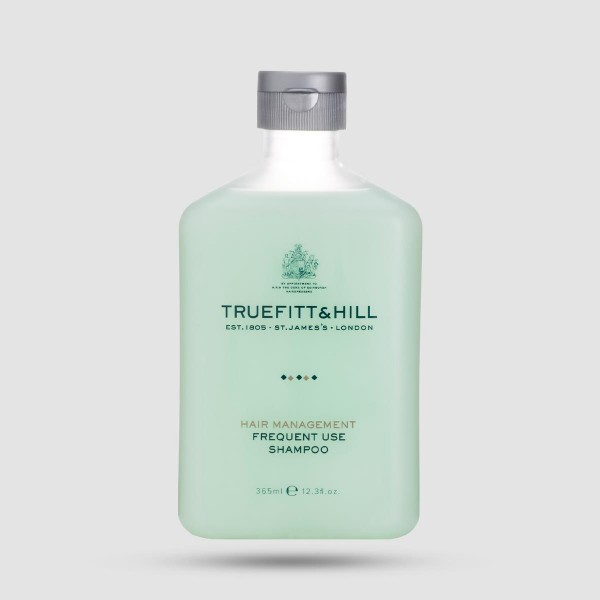
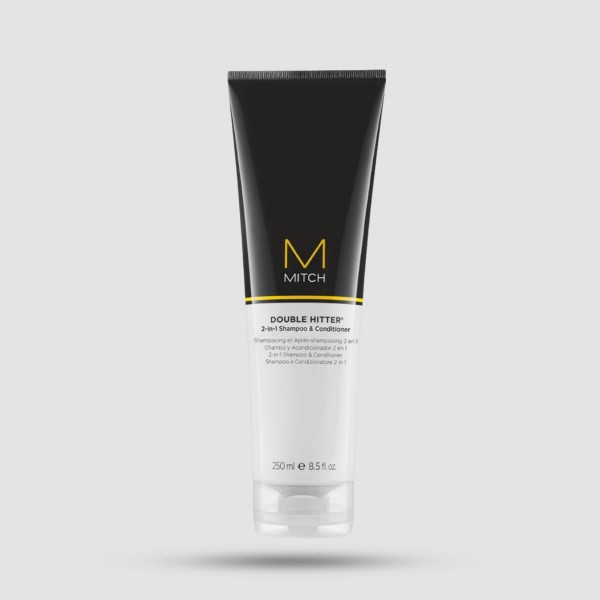
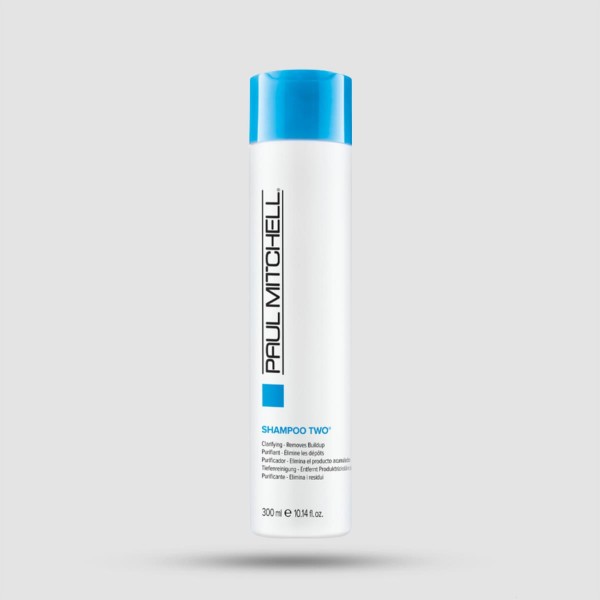
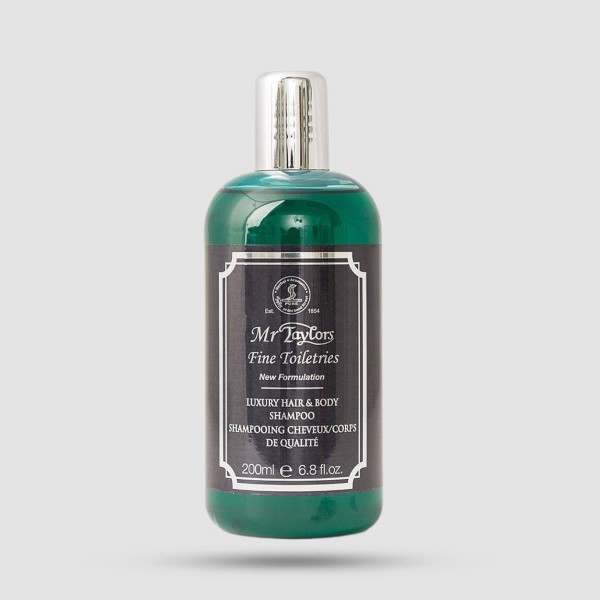
Ένα καλό καθημερινό σαμπουάν πρέπει να καθαρίζει αποτελεσματικά χωρίς να αφαιρεί τα φυσικά έλαια. Τα clarifying και τα scrub σαμπουάν είναι απαραίτητα αν χρησιμοποιείτε προϊόντα styling τακτικά -- αφαιρούν τη συσσώρευση που τα κανονικά σαμπουάν δεν πιάνουν. Δείτε τις κορυφαίες επιλογές μας, όλες ελεγμένες σε διαθεσιμότητα και δοκιμασμένες από την ομάδα μας:
Ένα κριτήριο που συχνά παραβλέπεται είναι η κατάσταση του τριχωτού της κεφαλής. Σύμφωνα με δερματολογικές έρευνες (PubMed - Hair Shaft Damage), το pH του σαμπουάν επηρεάζει άμεσα τη μικροχλωρίδα του τριχωτού. Τα σαμπουάν με ελαφρώς όξινο pH (4.5-5.5) είναι πιο ήπια και διατηρούν την υγεία του τριχωτού.
Σαμπουάν για Ξηρά & Λεπτά Μαλλιά + Conditioner
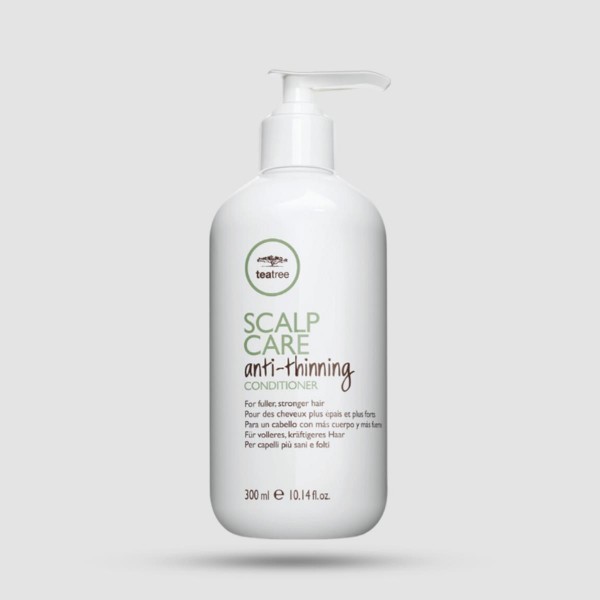
Τα ξηρά και λεπτά μαλλιά χρειάζονται ειδική μεταχείριση. Τα σαμπουάν πύκνωσης (thickening) περιέχουν παντενόλη και πρωτεΐνες που "χτίζουν" όγκο σε κάθε τρίχα, ενώ τα ενυδατικά αναπληρώνουν την υγρασία που χάνεται από το στέγνωμα, τον ήλιο και τα χημικά. Και ναι, το conditioner είναι απαραίτητο ακόμα και για κοντά μαλλιά -- προστατεύει, μαλακώνει και κάνει το styling πολύ ευκολότερο. Αν παρατηρείτε και φαγούρα στο τριχωτό, η ξηρότητα ίσως επεκτείνεται και στα γένια σας.
Βήμα-Βήμα: Η Σωστή Τεχνική Λουσίματος
Ακόμα και το καλύτερο σαμπουάν δεν θα δώσει αποτελέσματα αν η τεχνική λουσίματος είναι λάθος. Εδώ είναι η διαδικασία που ακολουθούν οι επαγγελματίες barbers:
Βρέξτε καλά με χλιαρό νερό
Αφιερώστε 30-60 δευτερόλεπτα στο αρχικό βρέξιμο. Το χλιαρό νερό ανοίγει τους πόρους του τριχωτού και αφήνει το σαμπουάν να διεισδύσει σωστά. Αποφύγετε το ζεστό νερό -- αφαιρεί τα φυσικά έλαια και πυροδοτεί υπερπαραγωγή σμήγματος.
Χρησιμοποιήστε ποσότητα σαν φουντούκι
Χρειάζεστε λιγότερο σαμπουάν απ' ό,τι νομίζετε -- περίπου ένα φουντούκι για κοντά μαλλιά, δύο για μεσαίο μήκος. Τρίψτε πρώτα στις παλάμες σας για ομοιόμορφη κατανομή.
Μασάζ στο τριχωτό, όχι στα μαλλιά
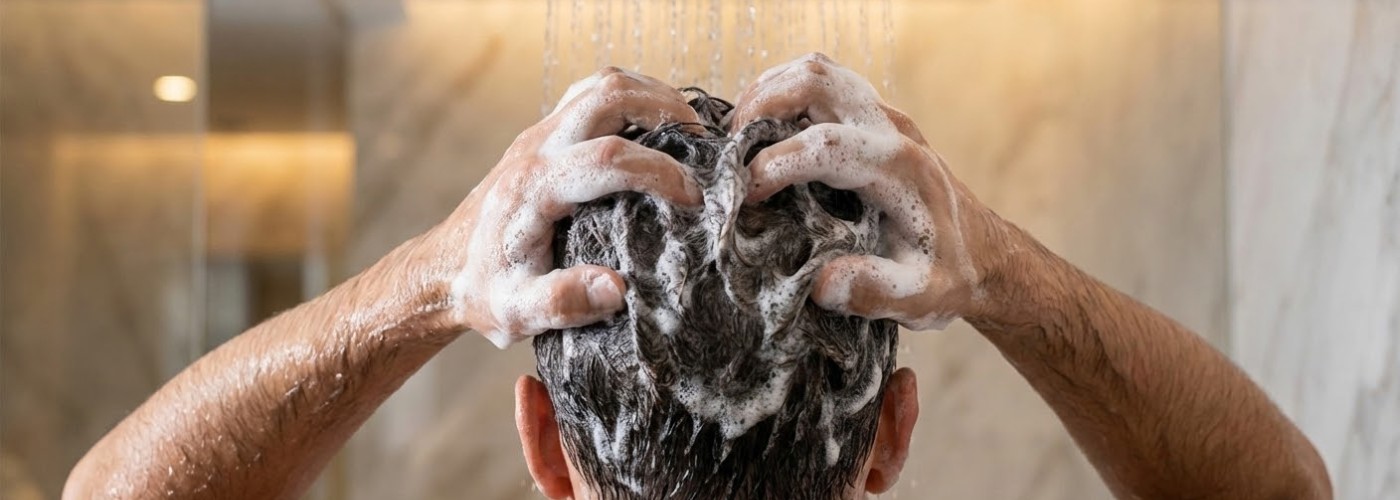
Εστιάστε στο τριχωτό, όχι στα μήκη. Χρησιμοποιήστε κυκλικές κινήσεις με τα δάχτυλα (ποτέ νύχια) για 60-90 δευτερόλεπτα. Αυτό αφαιρεί σμήγμα και συσσώρευση ενώ τονώνει την κυκλοφορία στους θύλακες.
Ξεπλύνετε τέλεια
Αφιερώστε διπλάσιο χρόνο στο ξέπλυμα από ό,τι στο σαπούνισμα. Τα υπολείμματα σαμπουάν είναι η νούμερο ένα αιτία φαγούρας και πιτυρίδας. Βεβαιωθείτε ότι κανένα σημείο δεν αισθάνεται γλιστερό.
Conditioner στα μήκη, όχι στις ρίζες
Εφαρμόστε conditioner από το μέσον μέχρι τις άκρες. Αφήστε 1-2 λεπτά και ξεπλύνετε. Αν έχετε λεπτά μαλλιά, βάλτε ελάχιστο μόνο στις άκρες. Τελειώστε με κρύο νερό για extra λάμψη.
Sulfate-Free vs Κανονικό Σαμπουάν: Τι Πρέπει να Ξέρετε
Τα sulfates είναι οι καθαριστικοί παράγοντες που δημιουργούν τον αφρό στο σαμπουάν σας. Τα πιο συνηθισμένα είναι το Sodium Laureth Sulfate (SLES) και το Sodium Lauryl Sulfate (SLS). Δεν είναι εγγενώς κακά -- απλώς δεν είναι σωστά για όλους. Όπως δείχνουν δερματολογικές μελέτες, τα sulfates μπορούν να αφαιρέσουν τα φυσικά έλαια από την τρίχα, κάτι που είναι πλεονέκτημα για λιπαρά μαλλιά αλλά μειονέκτημα για ξηρά ή βαμμένα.
| Κριτήριο | Με Sulfates | Sulfate-Free |
|---|---|---|
| Αφρός | Πλούσιος, άφθονος | Ελαφρύτερος, λιγότερος αφρός |
| Καθαριστική Δύναμη | Έντονη, βαθύς καθαρισμός | Ήπια, ισορροπημένη |
| Ιδανικό Για | Λιπαρά μαλλιά, χρήστες styling | Ξηρά, βαμμένα, ευαίσθητα |
| Βαμμένα Μαλλιά | Ξεθωριάζει πιο γρήγορα | Διατηρεί το χρώμα περισσότερο |
Συχνές Ερωτήσεις για το Ανδρικό Σαμπουάν
Πόσο συχνά πρέπει να λούζω τα μαλλιά μου;
Εξαρτάται από τον τύπο μαλλιών σας. Τα λιπαρά μαλλιά αντέχουν καθημερινό λούσιμο με ήπιο σαμπουάν, ενώ τα ξηρά πρέπει να λούζονται 2-3 φορές την εβδομάδα. Αν χρησιμοποιείτε προϊόντα styling καθημερινά, λούζεστε όσο χρειάζεται για να αφαιρέσετε τη συσσώρευση.
Χρειάζομαι conditioner αν έχω κοντά μαλλιά;
Ναι. Το conditioner δεν είναι μόνο για μακριά μαλλιά. Ακόμα και σε κοντά μαλλιά, ενυδατώνει το τριχωτό, κάνει τα μαλλιά ευκολότερα στο styling και μειώνει τον στατικό ηλεκτρισμό. Χρησιμοποιήστε μικρή ποσότητα και εστιάστε στο τριχωτό.
Είναι καλύτερο το 2-in-1 από ξεχωριστό σαμπουάν και conditioner;
Ένα ποιοτικό 2-in-1 (όπως το Paul Mitchell Double Hitter) είναι εξαιρετικό για ταξίδια ή απλοποιημένη ρουτίνα, αλλά δεν μπορεί να αντικαταστήσει πλήρως ένα αφιερωμένο ζευγάρι σαμπουάν-conditioner. Για τα καλύτερα αποτελέσματα, χρησιμοποιήστε ξεχωριστά προϊόντα.
Ποιο σαμπουάν να χρησιμοποιήσω για πιτυρίδα;
Για ήπια πιτυρίδα, ένα σαμπουάν tea tree (όπως το Paul Mitchell Tea Tree Special) βοηθάει χάρη στις αντιμικροβιακές ιδιότητές του. Για επίμονη πιτυρίδα, προσθέστε εβδομαδιαίο scrub σαμπουάν. Αν το πρόβλημα επιμένει, συμβουλευτείτε δερματολόγο.
Μπορώ να χρησιμοποιήσω σαμπουάν μαλλιών στα γένια;
Δεν συνιστάται. Η τρίχα της γενειάδας έχει διαφορετική δομή και το δέρμα από κάτω είναι πιο ευαίσθητο. Χρησιμοποιήστε ειδικό σαμπουάν γενειάδας που είναι πιο ήπιο και διατηρεί τα φυσικά έλαια που χρειάζονται τα γένια σας. Για ολοκληρωμένη ρουτίνα γενειάδας, δείτε τον οδηγό περιποίησης γενειάδας Α-Ω.
Γιατί τα μαλλιά μου είναι ακόμα λιπαρά ενώ τα λούζω κάθε μέρα;
Το υπερβολικό λούσιμο μπορεί να πυροδοτήσει αντιδραστική υπερπαραγωγή σμήγματος. Δοκιμάστε να αλλάξετε σε πιο ήπιο σαμπουάν και μειώστε σταδιακά τη συχνότητα. Ένα clarifying σαμπουάν όπως το Paul Mitchell Shampoo Two μία-δύο φορές την εβδομάδα μπορεί να βοηθήσει στην επαναφορά της ισορροπίας.
Τα Do & Don't του Σωστού Λουσίματος
Κάντε Αυτό
- Λούζεστε με χλιαρό νερό (ποτέ ζεστό)
- Μασάζ στο τριχωτό με τα δάχτυλα, όχι τα νύχια
- Ξεπλύνετε τέλεια -- διπλάσιο χρόνο απ' ό,τι σαπουνίζατε
- Στεγνώστε τα μαλλιά ταμποναρίζοντας με πετσέτα
- Χρησιμοποιήστε conditioner μετά από κάθε λούσιμο
- Αλλάξτε σαμπουάν αν παρατηρήσετε πτώση απόδοσης
Αποφύγετε Αυτό
- Μην χρησιμοποιείτε αφρόλουτρο ή σαπούνι στα μαλλιά
- Μην τρίβετε τα μαλλιά βίαια με πετσέτα
- Μην βάζετε conditioner στις ρίζες (εκτός αν έχετε πολύ λεπτά μαλλιά)
- Μην λούζεστε με ζεστό νερό -- ξηραίνει τριχωτό και μαλλιά
- Μην αφήνετε υπολείμματα σαμπουάν -- προκαλούν πιτυρίδα
- Μην χρησιμοποιείτε σαμπουάν μαλλιών στα γένια σας
Starter Kit - Τι να Αγοράσετε Πρώτα
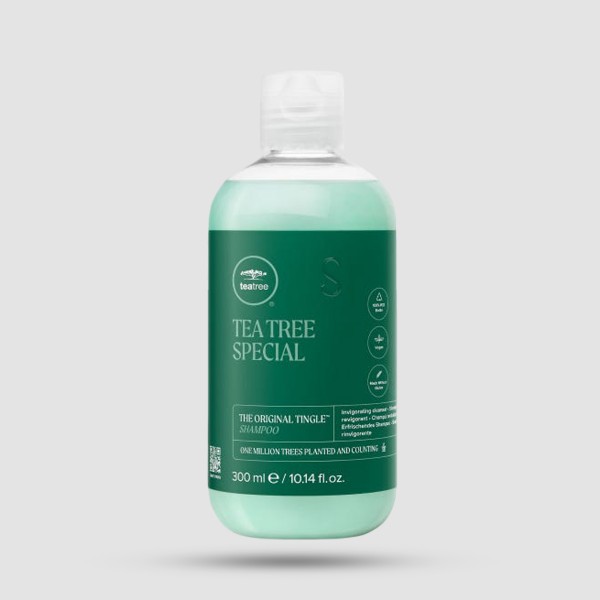 Paul Mitchell Tea Tree Special 300ml
 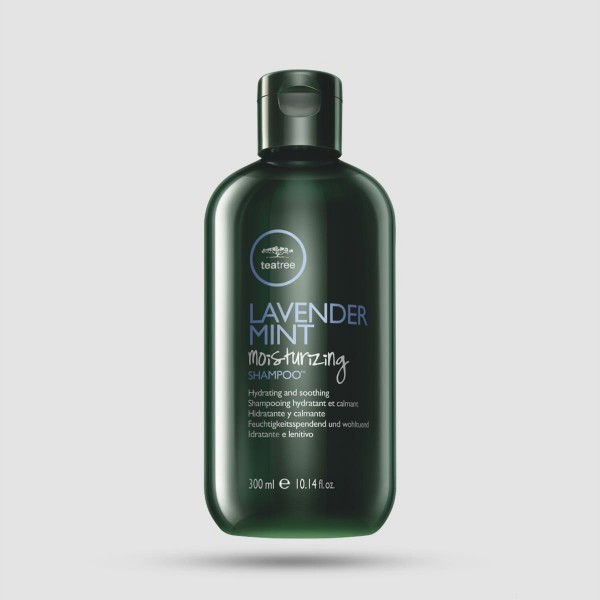 Paul Mitchell Lavender Mint 300ml
 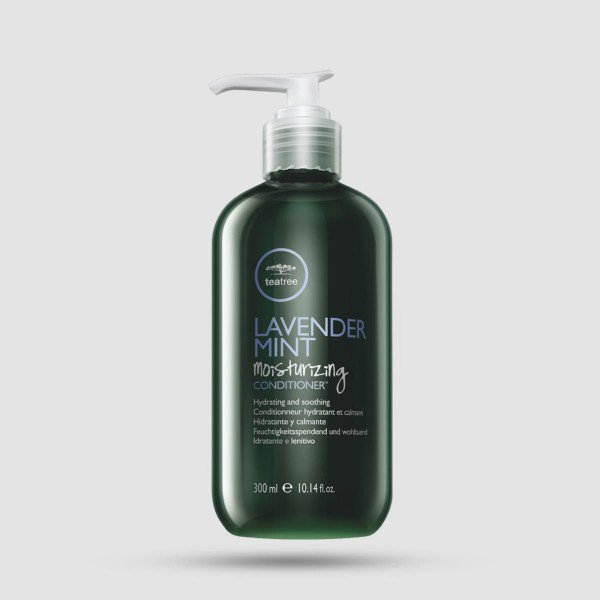 Paul Mitchell Lavender Mint Conditioner 300ml
 Tip: Με παραγγελία άνω των 59 ευρώ έχετε δωρεάν μεταφορικά!
Τα μαλλιά σας αξίζουν κάτι καλύτερο από ένα τυχαίο μπουκάλι σούπερ μάρκετ. Το σωστό σαμπουάν κάνει πραγματική διαφορά -- στην υγεία, στην εμφάνιση και στο πόσο εύκολα τα μαλλιά κρατούν ένα χτένισμα. Είτε ψάχνετε για τον εαυτό σας είτε για κάποιον αγαπημένο, δοκιμάστε, πειραματιστείτε και βρείτε αυτό που ταιριάζει στα δικά σας μαλλιά.