Πινέλο Ξυρίσματος 2026: Ο Απόλυτος Οδηγός Επιλογής
Ανακαλύψτε πώς να επιλέξετε το ιδανικό πινέλο ξυρίσματος για τις ανάγκες σας. Από συνθετικά έως Silvertip Badger, μάθετε τι κάνει κάθε τύπο μοναδικό και ποια brands επιλέγουν οι επαγγελματίες barbers.
Γιατί το Πινέλο Ξυρίσματος Είναι Τόσο Σημαντικό
Το πινέλο ξυρίσματος είναι ο αφανής ήρωας του παραδοσιακού ξυρίσματος. Ενώ πολλοί επικεντρώνονται στο ξυράφι και τις λεπίδες, το πινέλο είναι αυτό που πραγματικά μετατρέπει ένα απλό ξύρισμα σε πολυτελή εμπειρία.
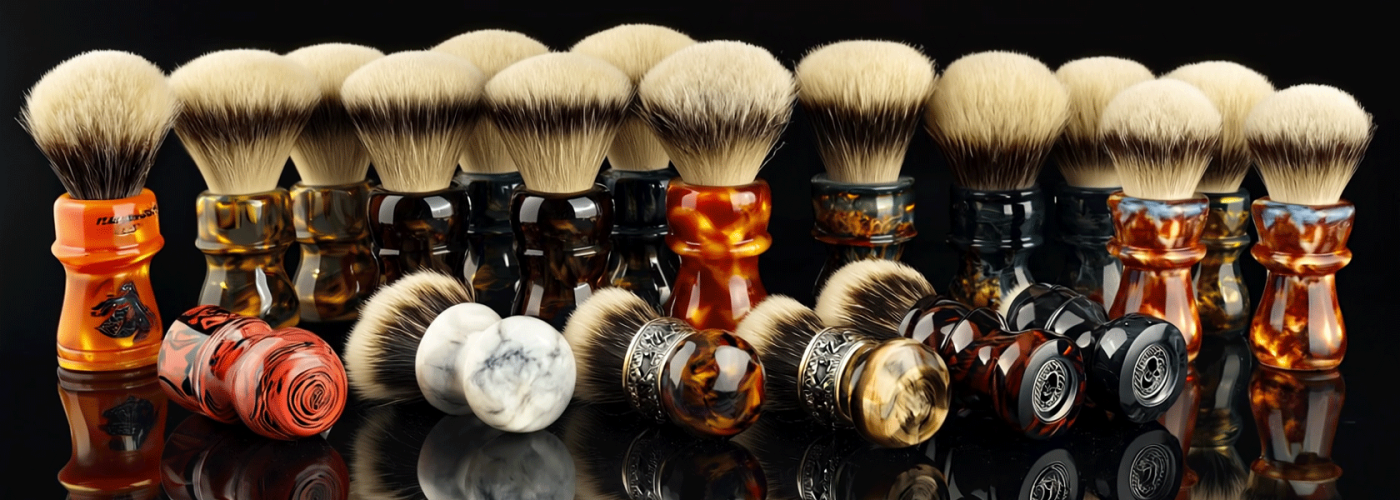
Ένα ποιοτικό πινέλο δεν απλώς δημιουργεί αφρό - προετοιμάζει το δέρμα, ανασηκώνει την τρίχα και προσφέρει απαλό μασάζ που βελτιώνει την κυκλοφορία του αίματος. Ανακαλύψτε την πλήρη συλλογή μας στα πινέλα ξυρίσματος.
Γρήγορη Επισκόπηση Τύποι τρίχας: Συνθετική (vegan, 15-80 ευρώ), Boar (20-50 ευρώ), Badger (30-300+ ευρώ). Ιδανικό μέγεθος κόμπου: 22-24mm για αρχάριους, 26-28mm για έμπειρους. Κορυφαίες μάρκες: Simpson, Muhle, Edwin Jagger, Omega.
Οι 5 Λειτουργίες του Πινέλου
Το πινέλο εκτελεί κρίσιμες λειτουργίες που κανένα άλλο εργαλείο δεν μπορεί να αντικαταστήσει:
- Μηχανική απολέπιση: Αφαιρεί νεκρά κύτταρα και ελευθερώνει εγκλωβισμένες τρίχες
- Θερμική προετοιμασία: Διατηρεί θερμοκρασία 40-45 βαθμούς για 3-4 λεπτά
- Ανασήκωμα τρίχας: Σηκώνει την τρίχα για καθαρότερη κοπή
- Μικροκυκλοφορία: Αυξάνει τη ροή αίματος στην περιοχή
- Ενυδάτωση: Εισάγει περισσότερη υγρασία από την απλή εφαρμογή
Τύποι Τρίχας Πινέλων: Πλήρης Ανάλυση
Η επιλογή του τύπου τρίχας είναι η πιο σημαντική απόφαση κατά την αγορά πινέλου. Κάθε τύπος έχει μοναδικά χαρακτηριστικά που επηρεάζουν την απόδοση, την αίσθηση και τη διάρκεια ζωής.
| Τύπος Τρίχας |
Τιμή |
Χαρακτηριστικά |
Ιδανικό για |
| Συνθετική |
15-80 ευρώ |
Vegan, στεγνώνει γρήγορα, χωρίς περίοδο προσαρμογής |
Αρχάριους, vegans, ταξιδιώτες |
| Boar (Χοίρου) |
20-50 ευρώ |
Σκληρή, καλή απολέπιση, χρειάζεται 20+ χρήσεις |
Σκληρά σαπούνια, απολέπιση |
| Pure Badger |
30-60 ευρώ |
Βασικό επίπεδο badger, μέτρια σκληρότητα |
Πρώτο φυσικό πινέλο |
| Best Badger |
50-100 ευρώ |
Πιο απαλό, καλύτερη συγκράτηση νερού |
Καθημερινή χρήση |
| Super Badger |
80-200 ευρώ |
Premium ποιότητα, απαλό με καλή σκληρότητα |
Έμπειρους χρήστες |
| Silvertip Badger |
150-500+ ευρώ |
Κορυφαία ποιότητα, εξαιρετικά απαλό |
Συλλέκτες, πολυτέλεια |
Μύθοι και Αλήθειες Τα σύγχρονα συνθετικά (Plissoft, Silvertip Fibre) ανταγωνίζονται άνετα τα Best Badger! Η τεχνική είναι πιο σημαντική από την τιμή - ένα πινέλο 30 ευρώ μπορεί να ξεπεράσει ένα 300 ευρώ στα χέρια έμπειρου χρήστη.
Ανατομία Πινέλου: Κατανοήστε τους Τεχνικούς Όρους
Για να επιλέξετε το σωστό πινέλο, πρέπει να κατανοήσετε τη βασική ορολογία:
Οι 6 Κρίσιμες Μετρήσεις
1
Διάμετρος Κόμπου (Knot): 20-22mm για ακρίβεια, 22-24mm για ισορροπία (συνιστάται), 24-26mm για μεγαλύτερη κάλυψη, 26-30mm για μεγάλα πρόσωπα
2
Ύψος Τρίχας (Loft): 45-50mm για περισσότερη σκληρότητα, 50-55mm για ιδανική ισορροπία, 55-65mm για πιο εύκαμπτο και απαλό
3
Σκληρότητα (Backbone): Η αντίσταση όταν πιέζετε το πινέλο - μέτρια σκληρότητα προτείνεται για τους περισσότερους
4
Άνοιγμα (Splay): Πόσο ανοίγει το πινέλο όταν πιέζεται - επηρεάζει την κάλυψη
5
Ροή (Flow-through): Πόσο εύκολα περνάει το νερό και ο αφρός
6
Πυκνότητα (Density): Πόσες τρίχες ανά τετραγωνικό εκατοστό - επηρεάζει την απόδοση
Τα Καλύτερα Πινέλα Ξυρίσματος ανά Κατηγορία
Μετά από 20+ χρόνια εμπειρίας και χιλιάδες πωλήσεις, αυτές είναι οι κορυφαίες επιλογές μας:
Premium Luxury Πινέλα (100+ ευρώ)
Για τους απαιτητικούς χρήστες που θέλουν την απόλυτη εμπειρία ξυρίσματος.
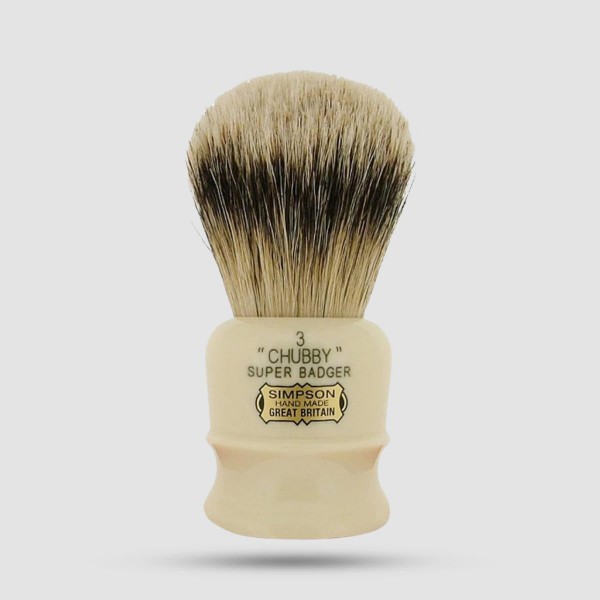
Simpson
Chubby 3 Super Badger
Το απόλυτο πινέλο πολυτελείας. Πυκνός κόμπος, τέλεια σκληρότητα. Νο1 παγκοσμίως.
Δες το Προϊόν
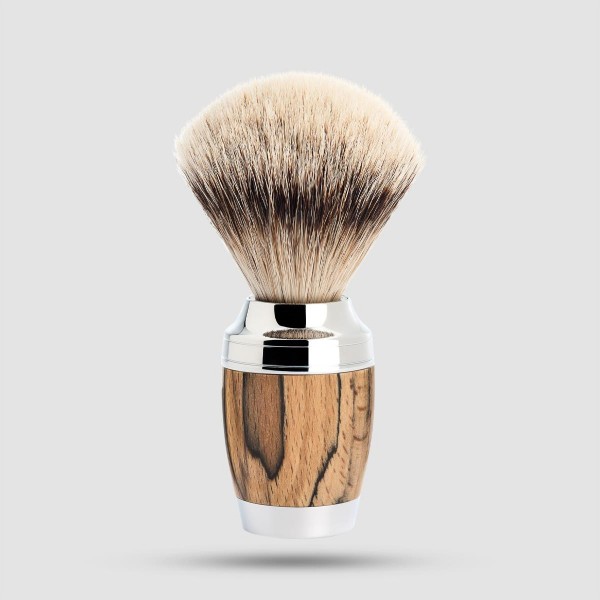
Muhle
Silvertip Badger 091 H 72
Premium γερμανική ποιότητα, φυσική τρίχα silvertip. Εξαιρετική απαλότητα.
Δες το Προϊόν
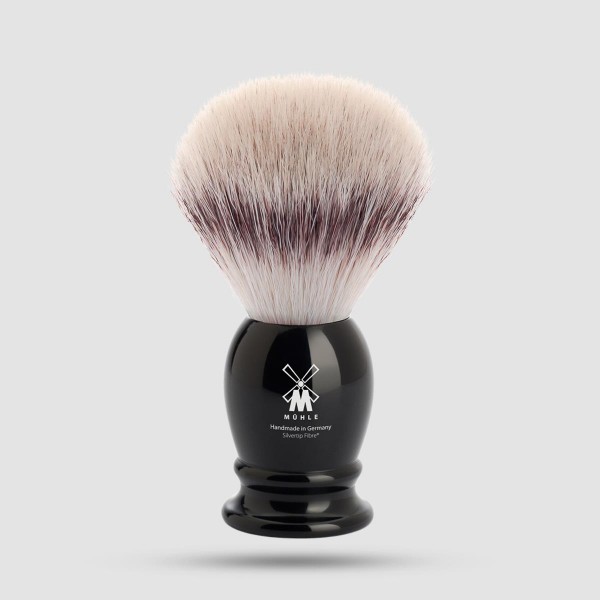
Muhle
Silvertip Fibre 31 K 256
Το καλύτερο συνθετικό στην αγορά. Vegan και ανταγωνίζεται τα φυσικά!
Δες το Προϊόν
Καλύτερη Αξία Πινέλα (30-60 ευρώ)
Η χρυσή τομή μεταξύ ποιότητας και τιμής - ιδανικά για καθημερινή χρήση.
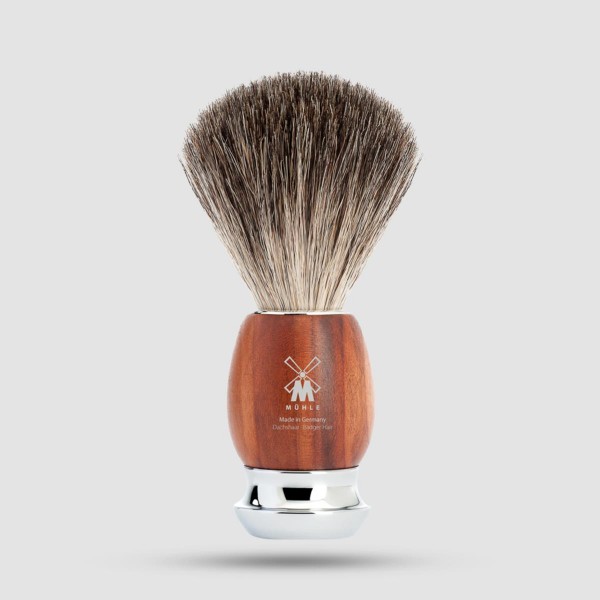
Muhle
Pure Badger 81 H 331
Κλασική γερμανική ποιότητα. Εξαιρετική τιμή για φυσική τρίχα! Ευπώλητο.
Δες το Προϊόν
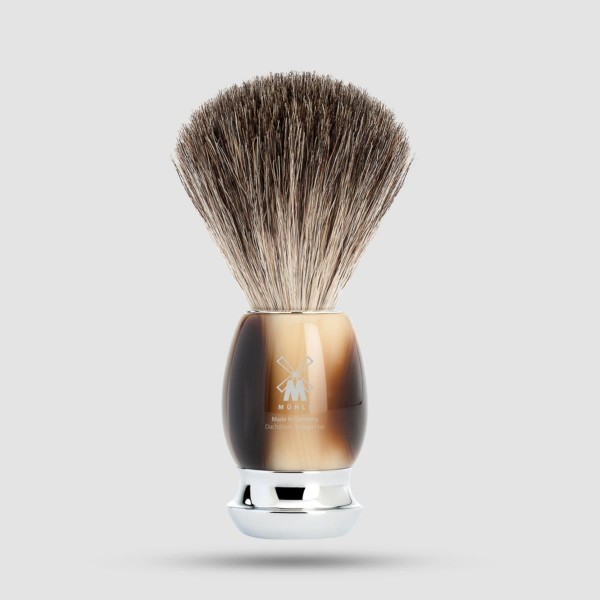
Muhle
Pure Badger 81 M 332
Το κλασικό Muhle design. 21mm κόμπος, ιδανικό για αρχάριους.
Δες το Προϊόν
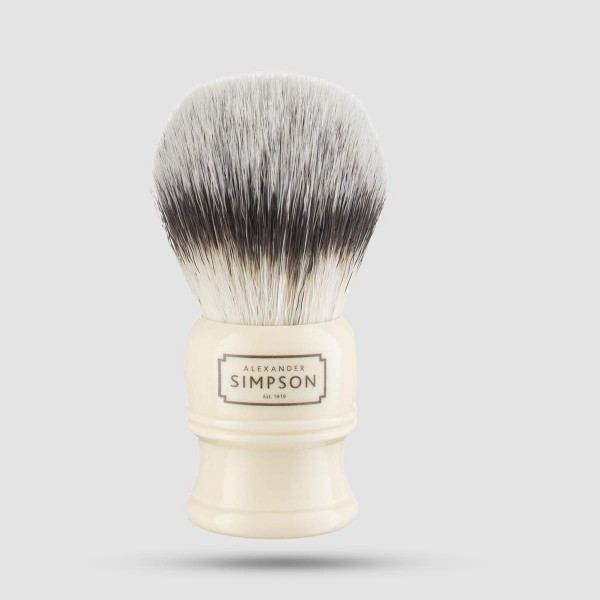
Simpson
Trafalgar T2 Sovereign
Βρετανική κομψότητα σε συνθετικό. Sovereign grade ίνα!
Δες το Προϊόν
Οικονομικά Πρωταθλήματα (15-30 ευρώ)
Εξαιρετικές επιλογές για αρχάριους ή όσους θέλουν value for money.
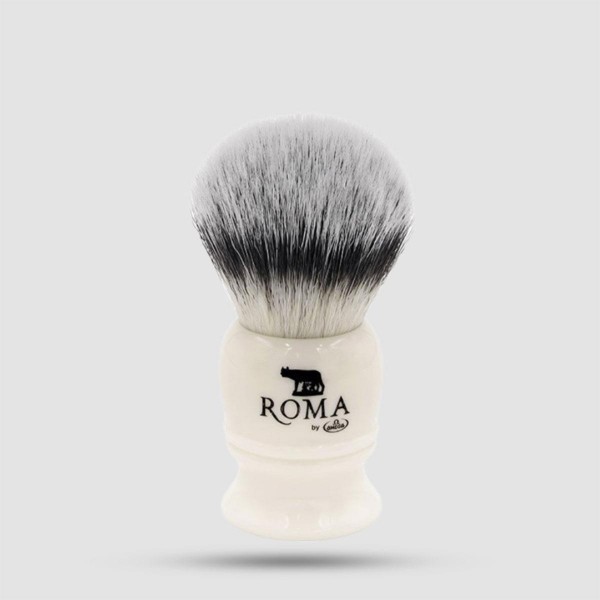
Omega
Roma Lupa Capitolina
Limited edition συνθετικό. Απίστευτη τιμή για την ποιότητα! Βασιλιάς της οικονομίας.
Δες το Προϊόν
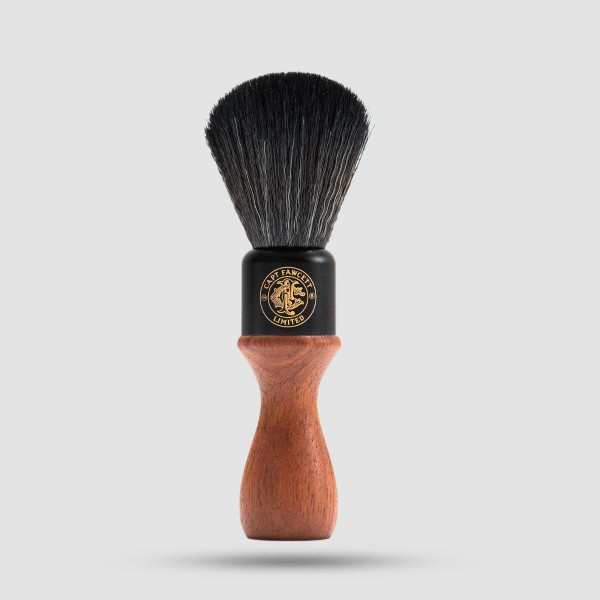
Captain Fawcett
Vegan Brush [V]
Βρετανικό στυλ, 100% vegan. Συνθετικό με φυσική αίσθηση.
Δες το Προϊόν
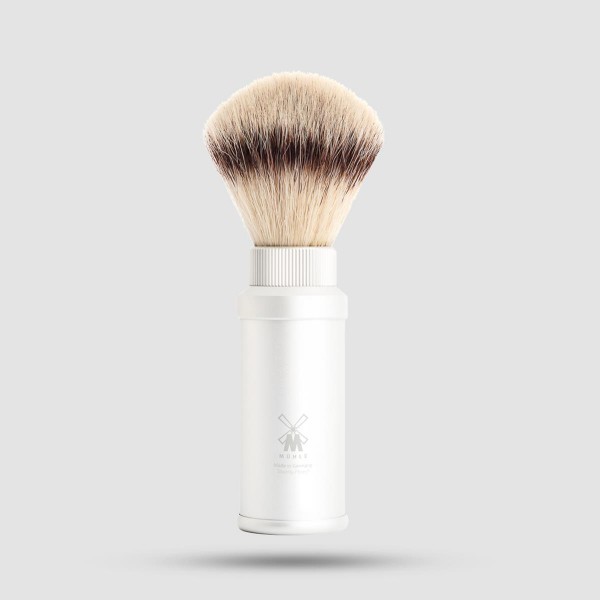
Muhle
Travel Brush 31 M 530
Πρακτικό για ταξίδια. Silvertip Fibre σε συμπαγές μέγεθος!
Δες το Προϊόν
Δες Ολα τα Πινελα
Συμβουλή Επιλογής Για αρχάριους: Ξεκινήστε με συνθετικό (Omega Roma Lupa ή Captain Fawcett V). Χωρίς περίοδο προσαρμογής, εύκολο στη χρήση, οικονομικό. Για καθημερινούς ξυριστές: Muhle Pure Badger ή Simpson Trafalgar T2. Για πολυτελή εμπειρία: Simpson Chubby 3 ή Muhle Silvertip Badger.
Περίοδος Προσαρμογής: Πώς να Ανοίξετε το Νέο σας Πινέλο
Τα φυσικά πινέλα (ειδικά τα boar) χρειάζονται περίοδο προσαρμογής για να αποδώσουν στο 100%. Ακολουθήστε αυτόν τον οδηγό:
1
Αρχικός Καθαρισμός: Πλύντε με ήπιο σαμπουάν και χλιαρό νερό. Στύψτε απαλά και αφήστε να στεγνώσει κρεμασμένο. ΜΗΝ χρησιμοποιήσετε ζεστό νερό - μπορεί να λιώσει την κόλλα του κόμπου.
2
Πρώτες 10 Χρήσεις: Το πινέλο θα είναι σκληρό και θα τρώει αφρό. Χρησιμοποιήστε 25% περισσότερο προϊόν. Μουλιάστε σε ζεστό νερό για 2-3 λεπτά πριν τη χρήση.
3
Δοκιμαστικοί Αφροί: Κάθε βράδυ για μία εβδομάδα: Μουλιάστε, φορτώστε με σαπούνι, δημιουργήστε αφρό για 2-3 λεπτά, ξεπλύντε. Αυτό επιταχύνει τη διαδικασία.
Πότε Είναι Έτοιμο Boar: 20-30 χρήσεις - οι άκρες θα ανοίξουν και θα γίνει απαλό σαν badger. Badger: 5-10 χρήσεις - απλά χρειάζεται να φύγει η αρχική άγρια αίσθηση. Synthetic: Έτοιμο από την πρώτη μέρα!
Τεχνικές Δημιουργίας Αφρού
Η δημιουργία του τέλειου αφρού είναι τέχνη και επιστήμη. Με τη σωστή τεχνική, ακόμα και ένα φθηνό πινέλο μπορεί να δημιουργήσει εξαιρετικό αφρό.
1. Αφρός σε Μπολ (Bowl Lathering)
Πλεονεκτήματα: Πλήρης έλεγχος της υφής, καθαρή διαδικασία, ιδανικό για αρχάριους.
1
Βάλτε μια ποσότητα σαν αμύγδαλο (κρέμα) ή φορτώστε το πινέλο 30 δευτερόλεπτα (σαπούνι)
2
Προσθέστε 5-10 σταγόνες νερό στο μπολ
3
Κυκλικές κινήσεις για 60-90 δευτερόλεπτα
4
Προσθέτετε νερό σταδιακά μέχρι να γίνει σαν γιαούρτι
5
Ο αφρός είναι έτοιμος όταν κάνει κορυφές και γυαλίζει
2. Αφρός στο Πρόσωπο (Face Lathering)
Πλεονεκτήματα: Καλύτερη προετοιμασία δέρματος, πιο ζεστός αφρός, λιγότερα πιάτα!
1
Βρέξτε καλά το πρόσωπο με ζεστό νερό
2
Φορτώστε το πινέλο με 20% περισσότερο προϊόν
3
Μικρές κυκλικές κινήσεις στα μάγουλα, σταδιακή αύξηση πίεσης
4
Προσθέστε νερό βουτώντας τις άκρες του πινέλου
5
Τελειώστε με ζωγραφικές κινήσεις για ομοιόμορφο στρώμα
Συντήρηση και Φροντίδα του Πινέλου
Ένα καλό πινέλο με σωστή φροντίδα μπορεί να διαρκέσει 10-20+ χρόνια. Τα Simpson και Muhle της δεκαετίας του 90 χρησιμοποιούνται ακόμα!
Καθημερινή Φροντίδα
- Ξεπλύντε με χλιαρό νερό μέχρι να τρέχει καθαρό
- Πιέστε απαλά (μην στρίβετε!) για να φύγει το νερό
- Τινάξτε 10-12 φορές για να φύγει η υγρασία
- Κρεμάστε με τις τρίχες προς τα κάτω
- Τελικό ξέπλυμα με κρύο νερό κλείνει τις τρίχες
Αποφύγετε
- Μην κλείνετε υγρό σε ντουλάπι - μούχλα!
- Μην χρησιμοποιείτε καυτό νερό
- Μην στρίβετε το πινέλο
- Μην αφήνετε όρθιο με τις τρίχες πάνω
- Μην αποθηκεύετε χωρίς να στεγνώσει
Βαθύς Καθαρισμός (Μηνιαίος) Διάλυμα: 1 μέρος ξύδι + 9 μέρη χλιαρό νερό. Μουλιάστε για 5 λεπτά, ξεπλύντε καλά, πλύντε με baby shampoo. Για βαθύ καθαρισμό badger: 1 κουταλιά της σούπας borax σε 1 φλιτζάνι νερό.
Συχνές Ερωτήσεις
Ποιο πινέλο είναι καλύτερο για αρχάριους;
Για αρχάριους συνιστούμε συνθετικά πινέλα όπως το Omega Roma Lupa ή το Captain Fawcett V. Δεν χρειάζονται περίοδο προσαρμογής, στεγνώνουν γρήγορα, είναι οικονομικά (20-40 ευρώ) και δημιουργούν εύκολα εξαιρετικό αφρό.
Πόσο πρέπει να ξοδέψω για ένα καλό πινέλο;
Ένα ποιοτικό πινέλο ξεκινά από 25-30 ευρώ. Στα 40-60 ευρώ βρίσκετε εξαιρετικές επιλογές που θα σας κρατήσουν χρόνια. Πάνω από 100 ευρώ πληρώνετε κυρίως για πολυτέλεια - η τεχνική είναι πιο σημαντική από την τιμή!
Badger ή Synthetic - Τι να διαλέξω;
Badger: Πιο απαλό, κρατάει περισσότερο νερό και θερμότητα, παραδοσιακή αίσθηση, διαρκεί 10-20 χρόνια. Synthetic: Vegan friendly, στεγνώνει αμέσως, χωρίς περίοδο προσαρμογής, υποαλλεργικό, φθηνότερο. Τα σύγχρονα synthetics ανταγωνίζονται τα mid-range badger!
Τι μέγεθος κόμπου να επιλέξω;
22-24mm: Ιδανικό για αρχάριους και μικρά/μεσαία πρόσωπα. 24-26mm: Η πιο δημοφιλής επιλογή, καλή ισορροπία. 26-28mm: Για μεγάλα πρόσωπα ή όσους ξυρίζουν και το κεφάλι.
Το πινέλο μου χάνει τρίχες - είναι φυσιολογικό;
Τις πρώτες 5-10 χρήσεις είναι φυσιολογικό να χάνει 3-5 τρίχες, ειδικά τα badger. Αν συνεχίζει μετά την περίοδο προσαρμογής ή χάνει πάνω από 5 τρίχες ανά χρήση, υπάρχει πρόβλημα κατασκευής.
Μπορώ να χρησιμοποιήσω το πινέλο με κρέμα από σωληνάριο;
Απολύτως! Το πινέλο βελτιώνει και τις κρέμες από σωληνάριο. Βάλτε μια ποσότητα σαν μπιζέλι στις άκρες του πινέλου ή απευθείας στο πρόσωπο, και δουλέψτε το όπως με το σαπούνι.
Τα Καλύτερα Stands και Αξεσουάρ
Η σωστή αποθήκευση είναι κρίσιμη για τη διάρκεια ζωής του πινέλου σας:
Βάσεις και Αξεσουάρ
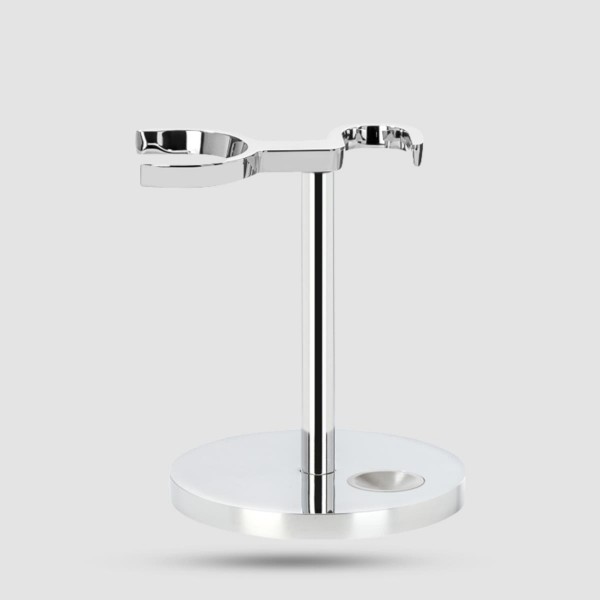
Muhle
Universal Stand RHM UNI
Premium γερμανική βάση που ταιριάζει σε όλα τα πινέλα και ξυράφια Muhle.
Δες το Προϊόν
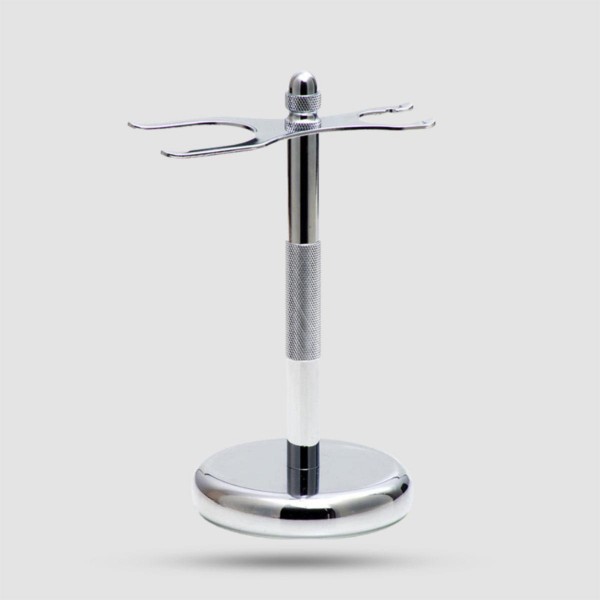
Rockwell
White Chrome Stand
Κομψή βάση σε λευκό και chrome. Κρατάει με ασφάλεια πινέλο και ξυράφι.
Δες το Προϊόν
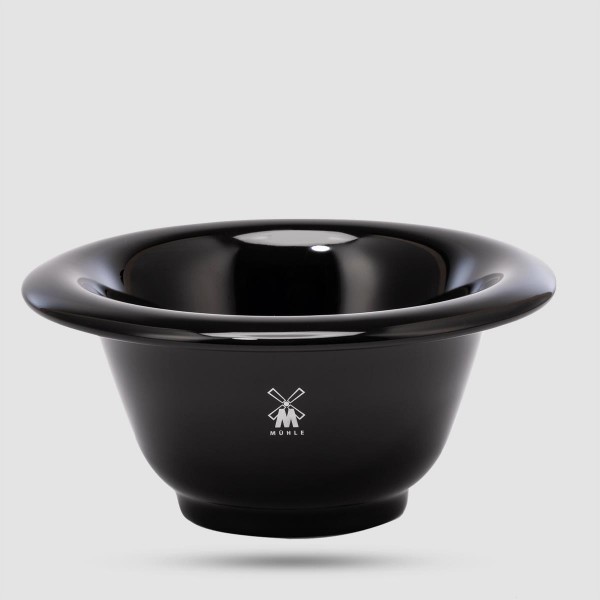
Muhle
Black Porcelain Bowl RN 16
Πολυτελές μπολ από μαύρη πορσελάνη με ραβδώσεις για τέλειο αφρό.
Δες το Προϊόν
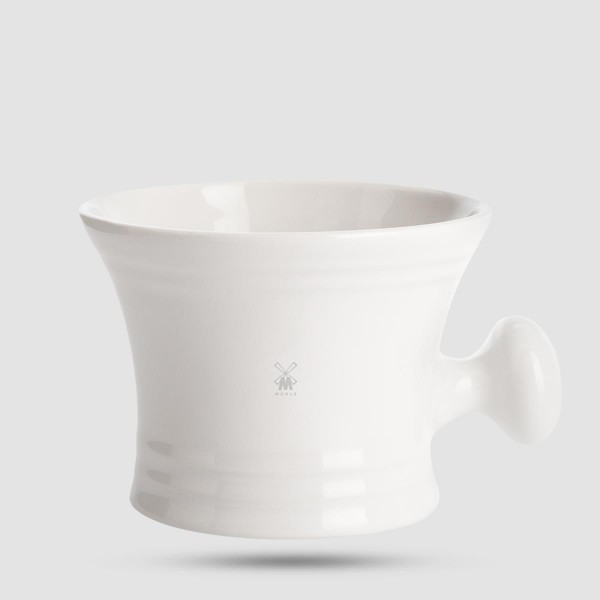
Muhle
White Porcelain Cup RN 4
Κλασική κούπα από λευκή πορσελάνη. Τέλεια για ζεστό αφρό.
Δες το Προϊόν
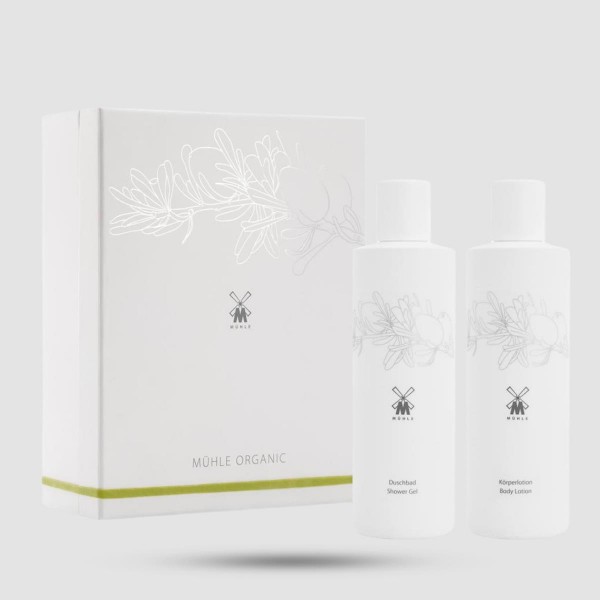
Muhle
Shaving Towels T1 (2 τεμάχια)
Premium πετσέτες από 100% βαμβάκι. Ιδανικές για προετοιμασία με ζεστό νερό.
Δες το Προϊόν
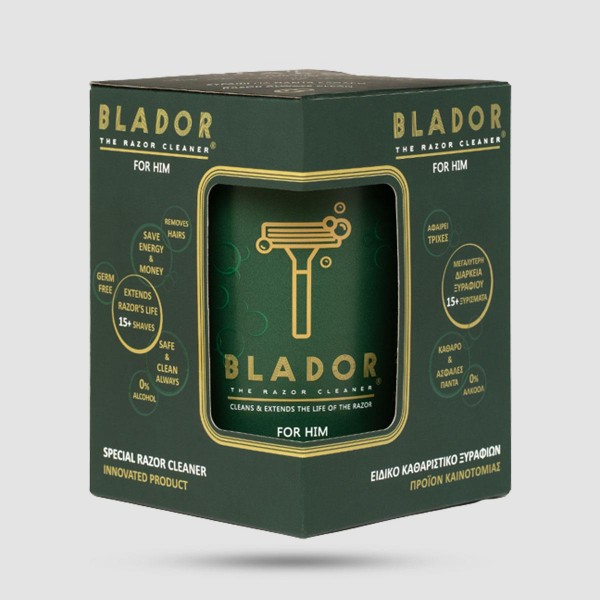
Blador
Razor Cleaner 100ml
Ειδικό καθαριστικό για ξυράφια και πινέλα. Παρατείνει τη ζωή του εξοπλισμού.
Δες το Προϊόν
Starter Kit - Τι να Αγοράσετε Πρώτα
Αν ξεκινάτε από το μηδέν, αυτά τα 3 προϊόντα καλύπτουν τις βασικές ανάγκες σας:
Tip: Με παραγγελία άνω των 59 ευρώ έχετε δωρεάν μεταφορικά!
Γιατί να Επιλέξετε The Two Barbers
Από το 2003 20+ χρόνια εμπειρίας
100+ Πινέλα Η μεγαλύτερη συλλογή
Premium Brands Simpson, Muhle, Omega
100% Αυθεντικά Εγγυημένη γνησιότητα
Δωρεάν Αποστολή Ανω των 59 ευρώ
Θυμηθείτε: Το σωστό πινέλο μετατρέπει το καθημερινό ξύρισμα σε τελετουργία αυτοφροντίδας. Επενδύστε σε ποιότητα και θα σας συντροφεύει για δεκαετίες.
Καλό ξύρισμα!